
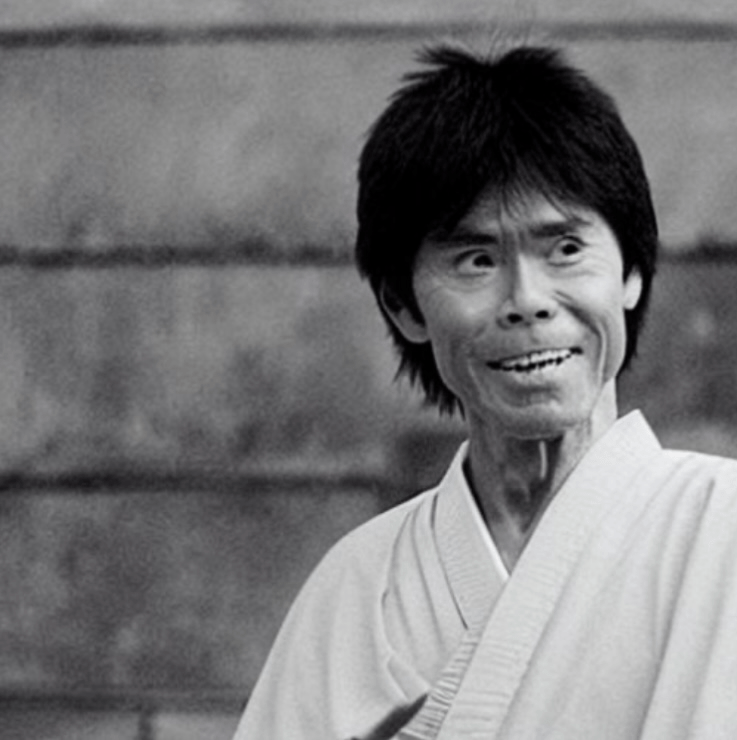
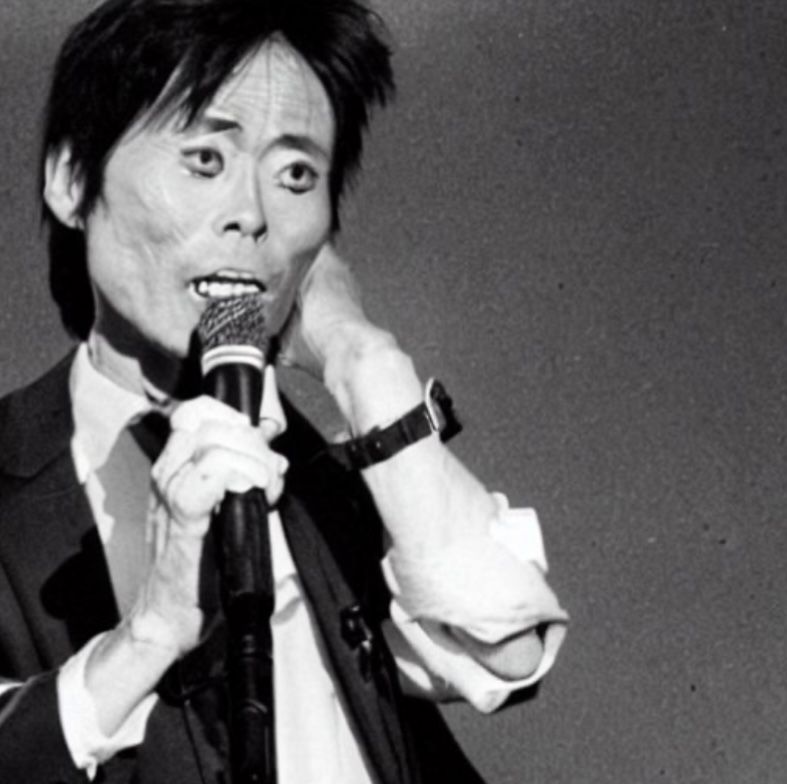
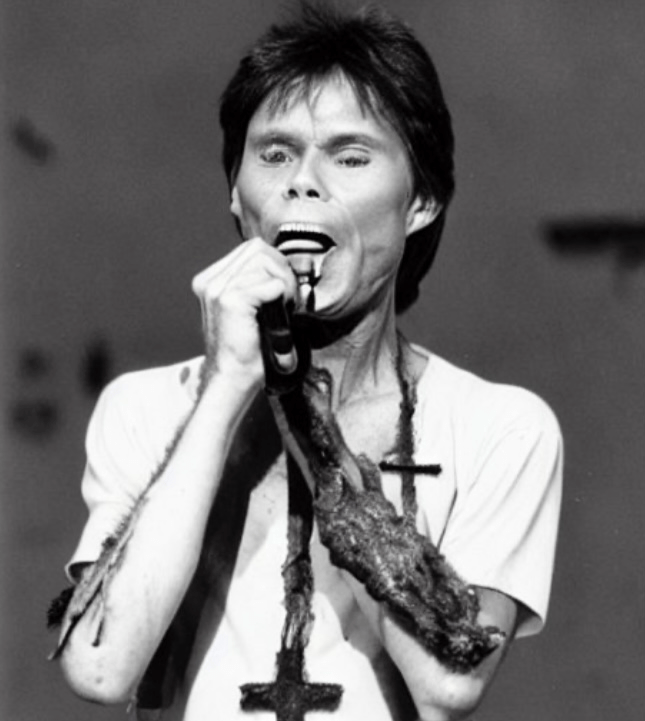
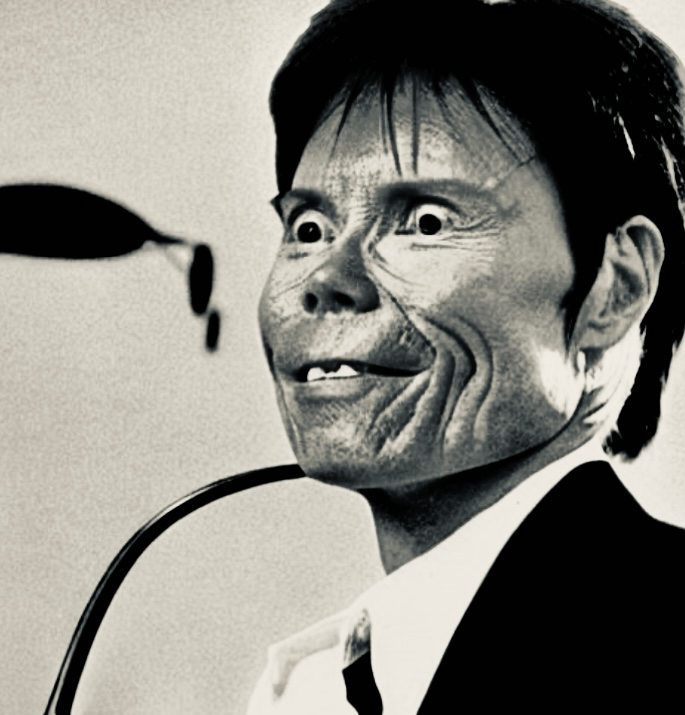
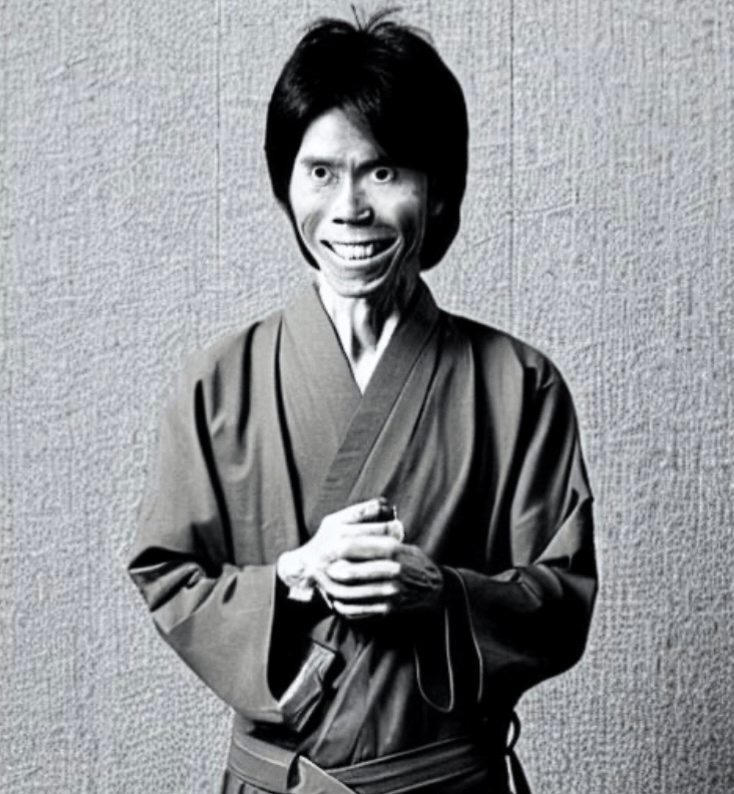
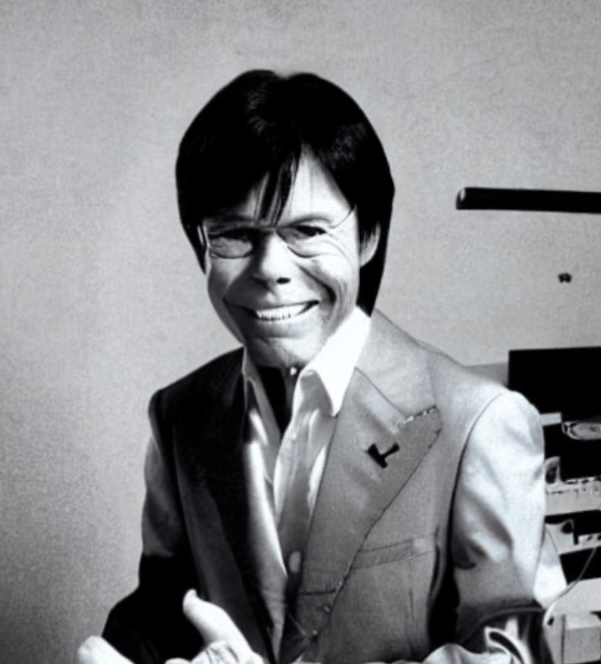
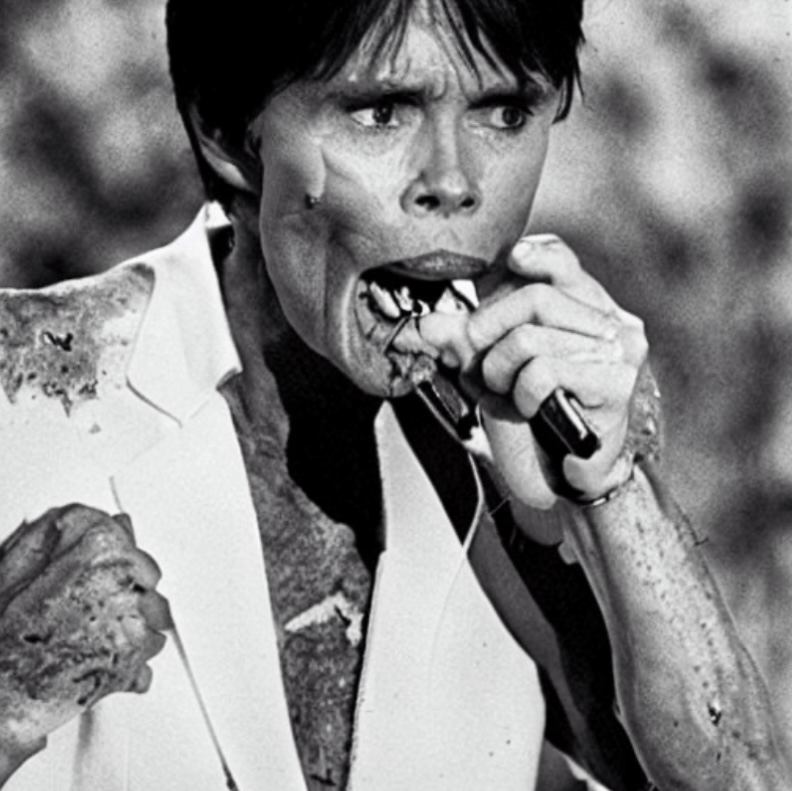
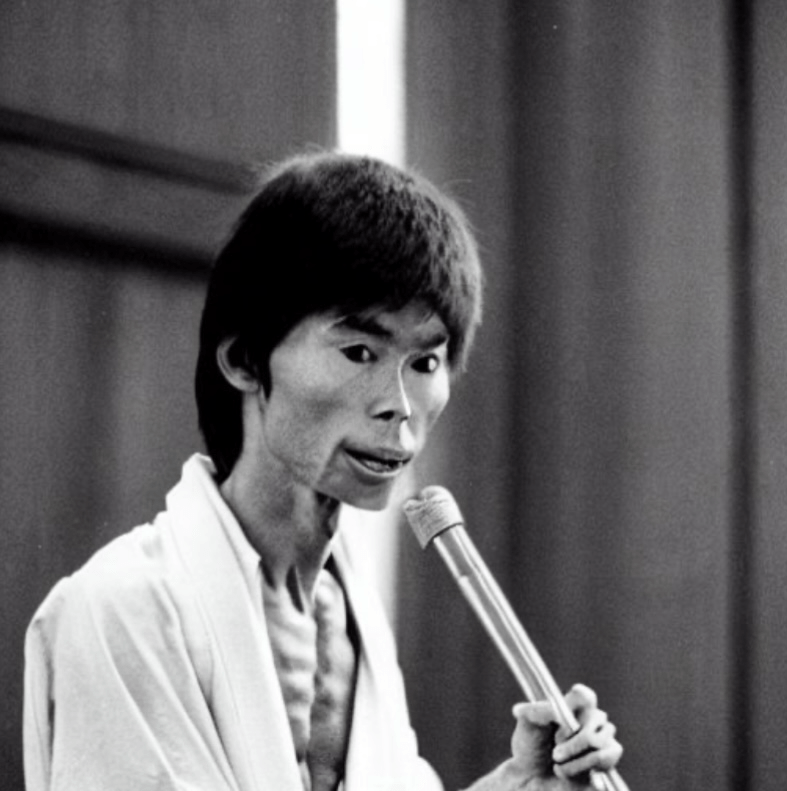
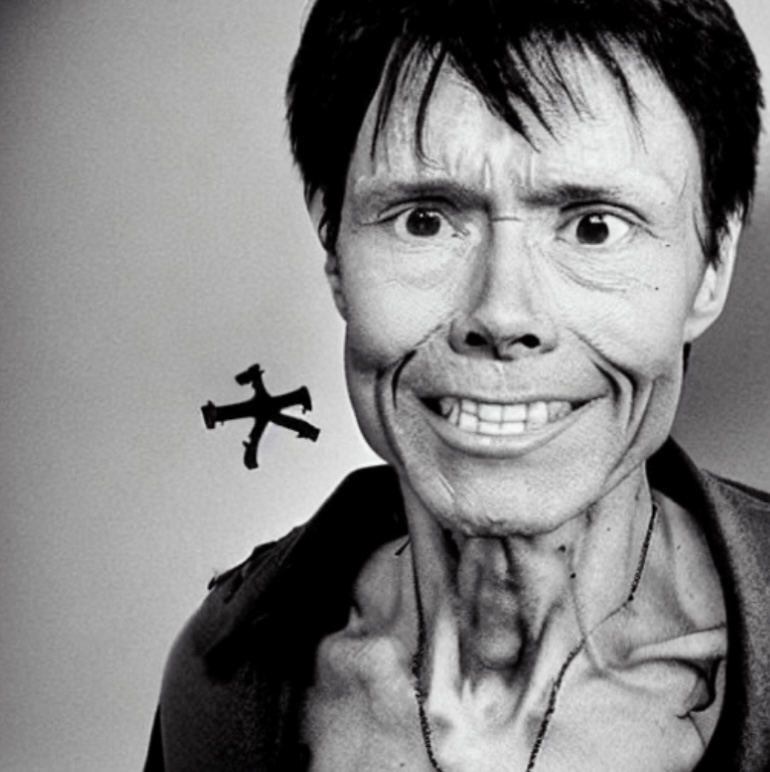
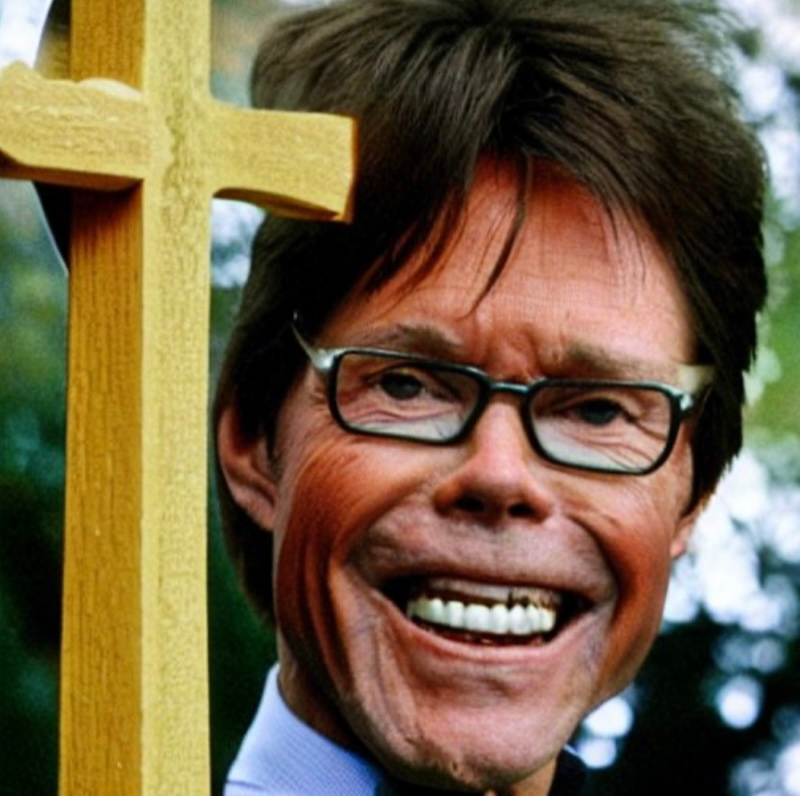
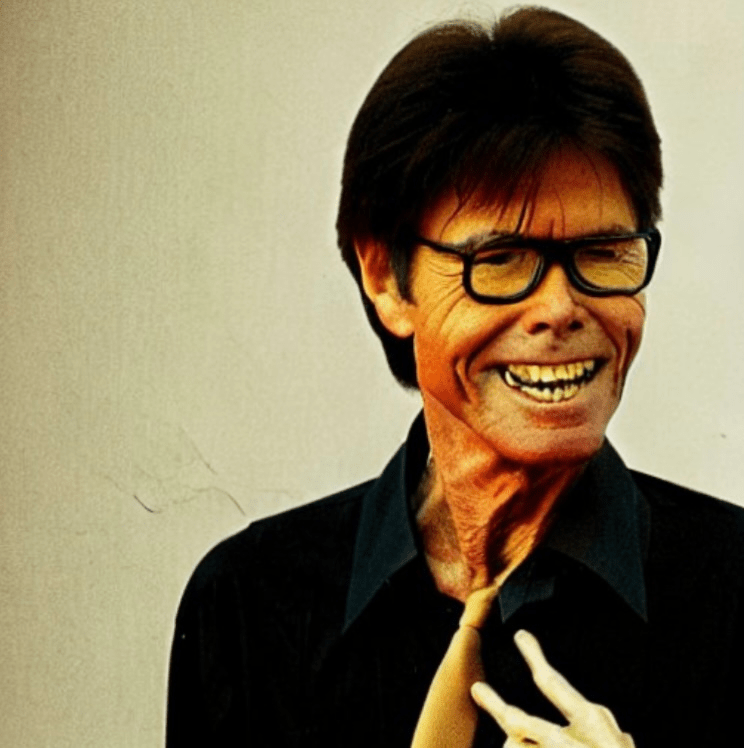
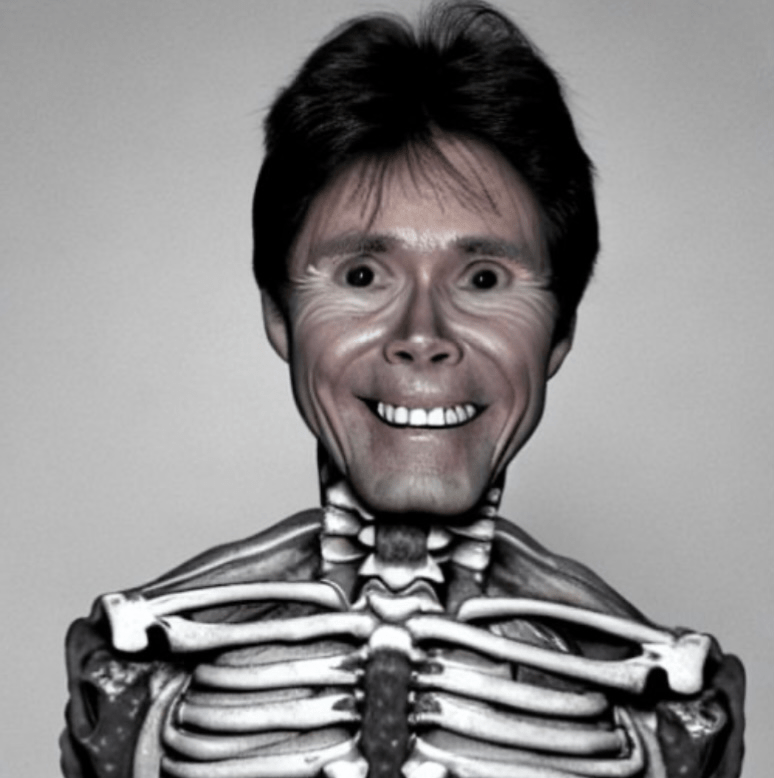
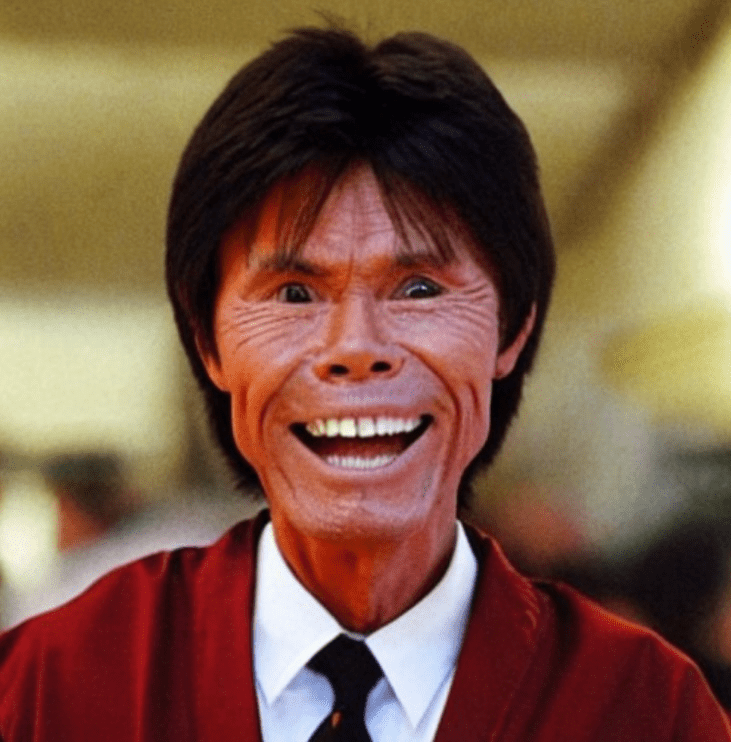
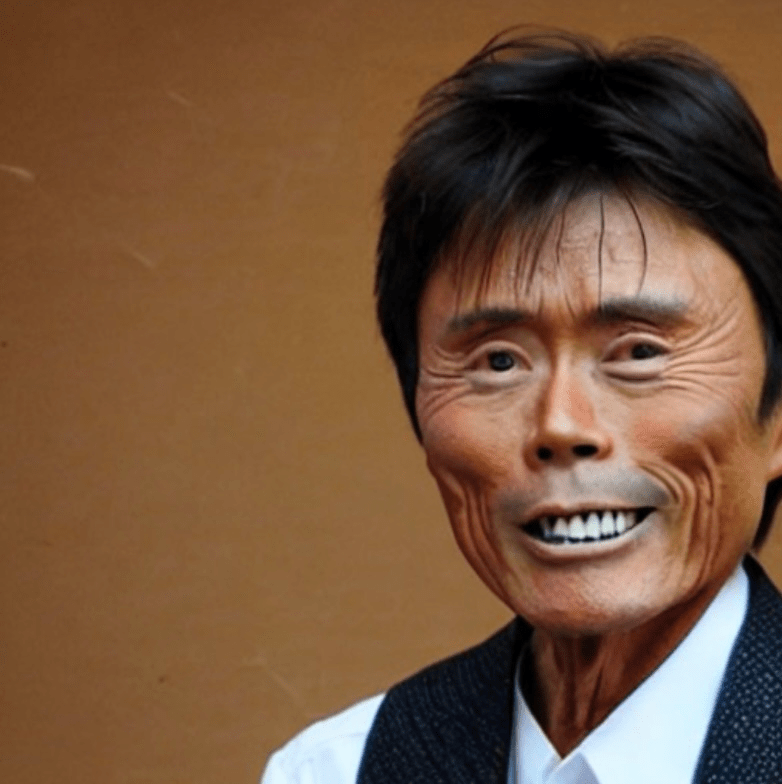
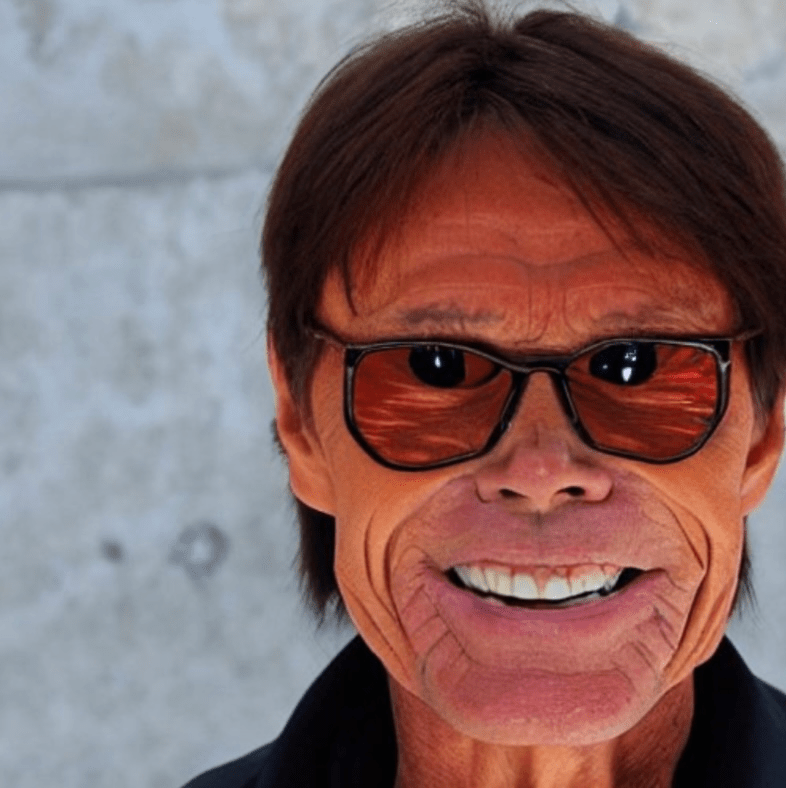
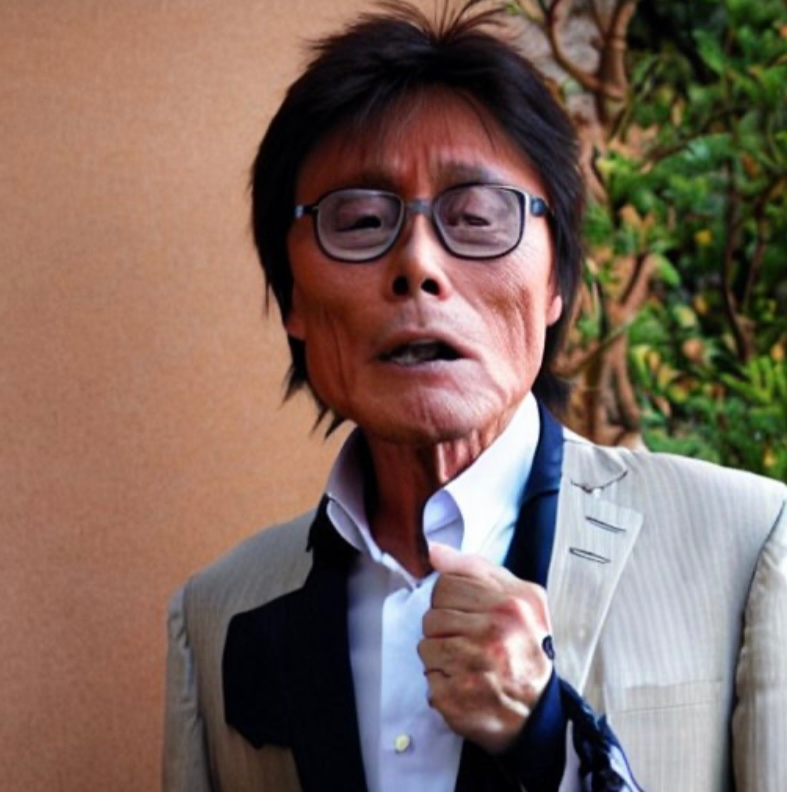
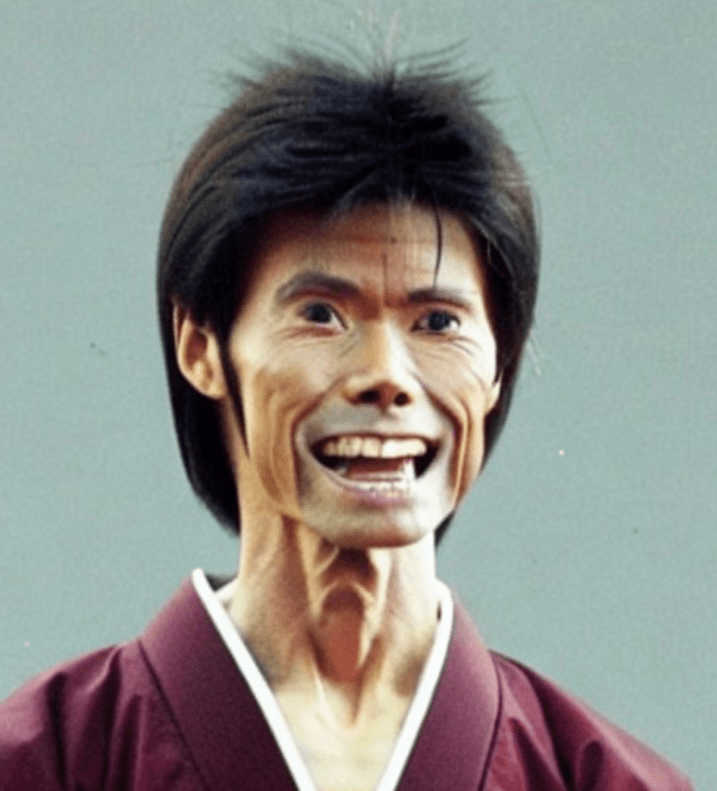
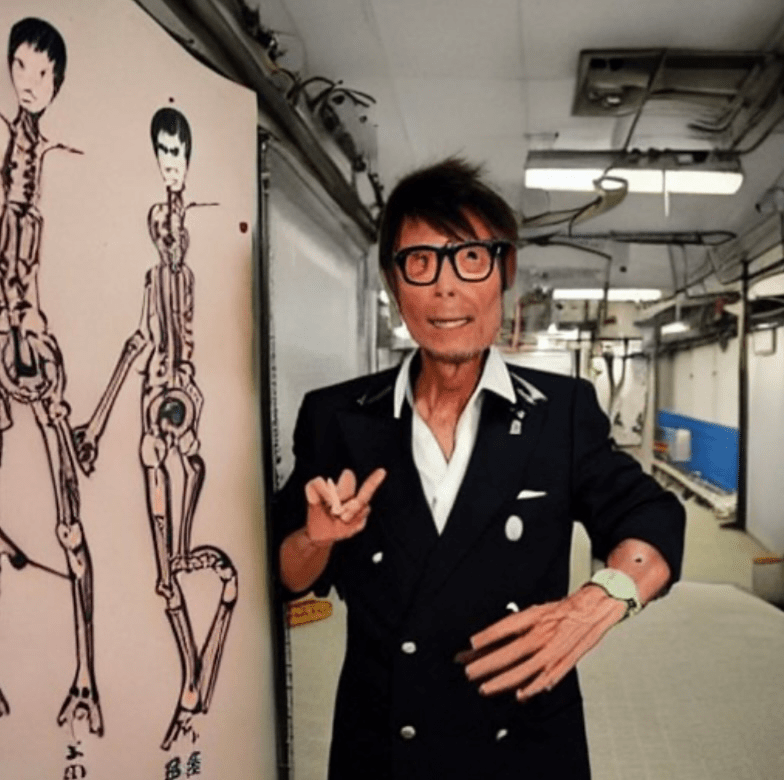
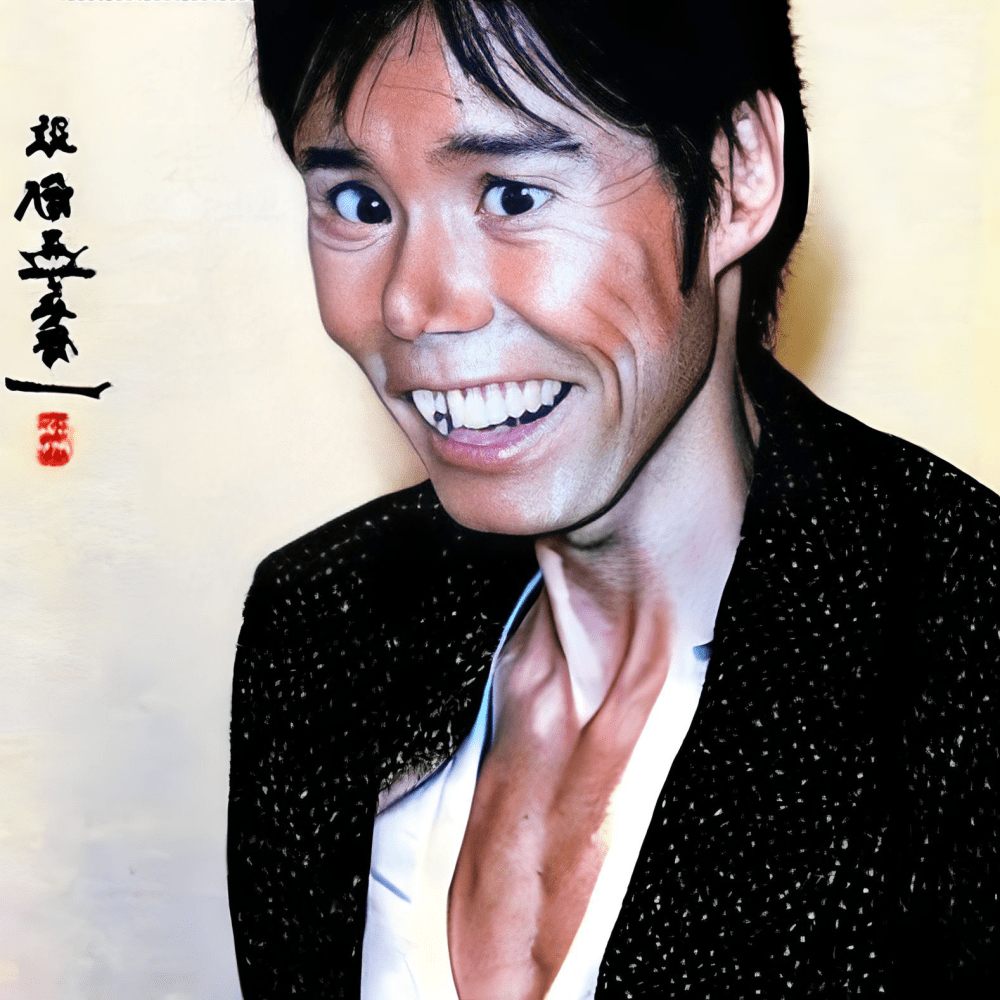
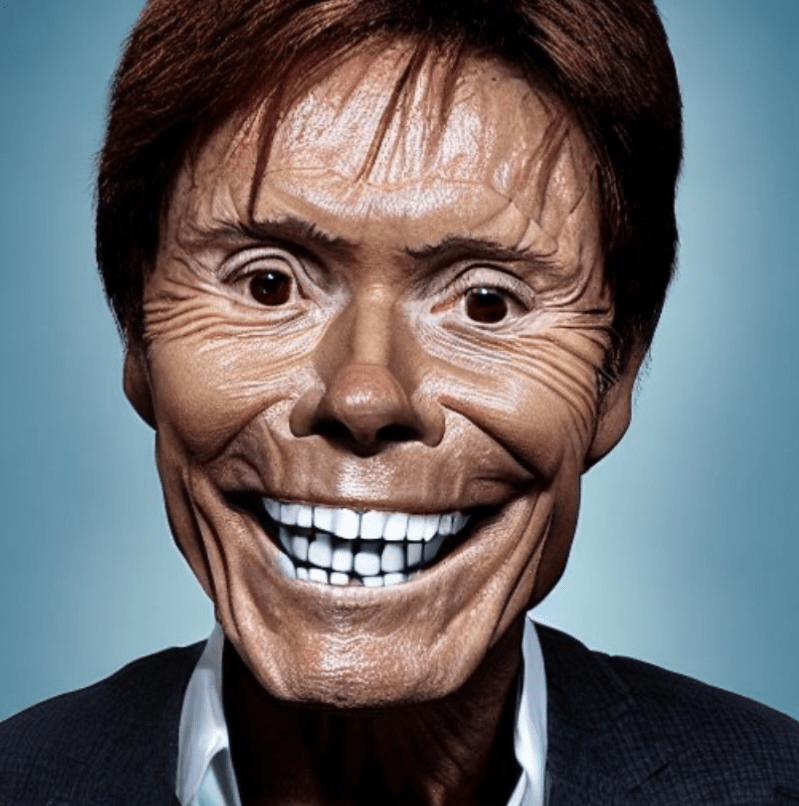
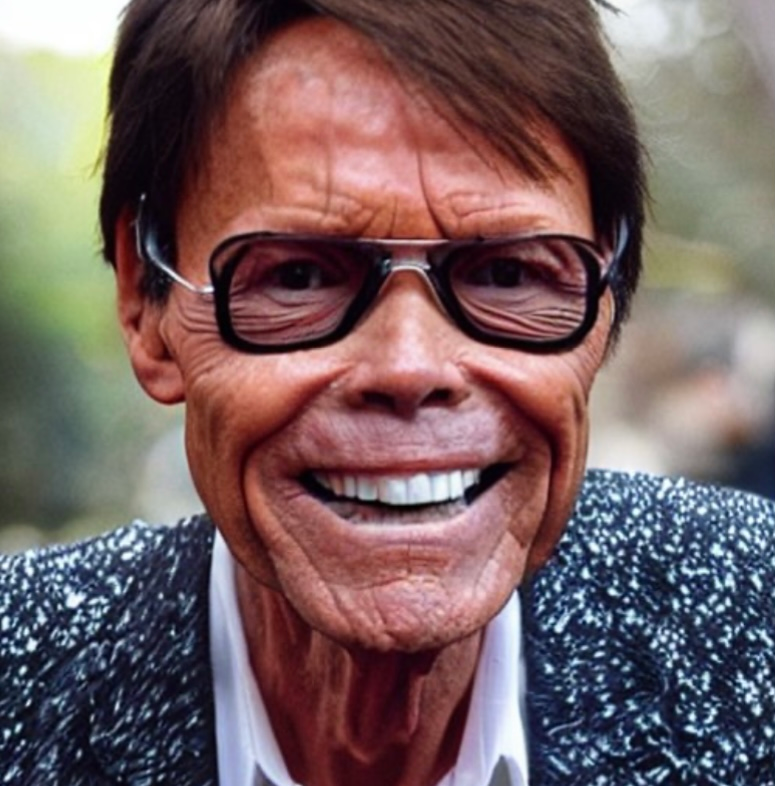
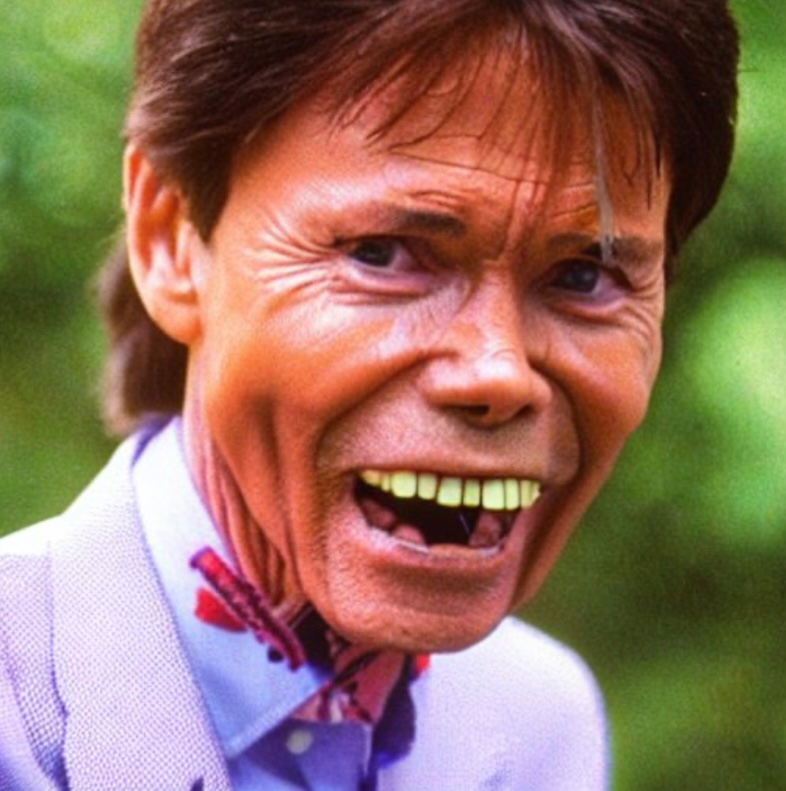
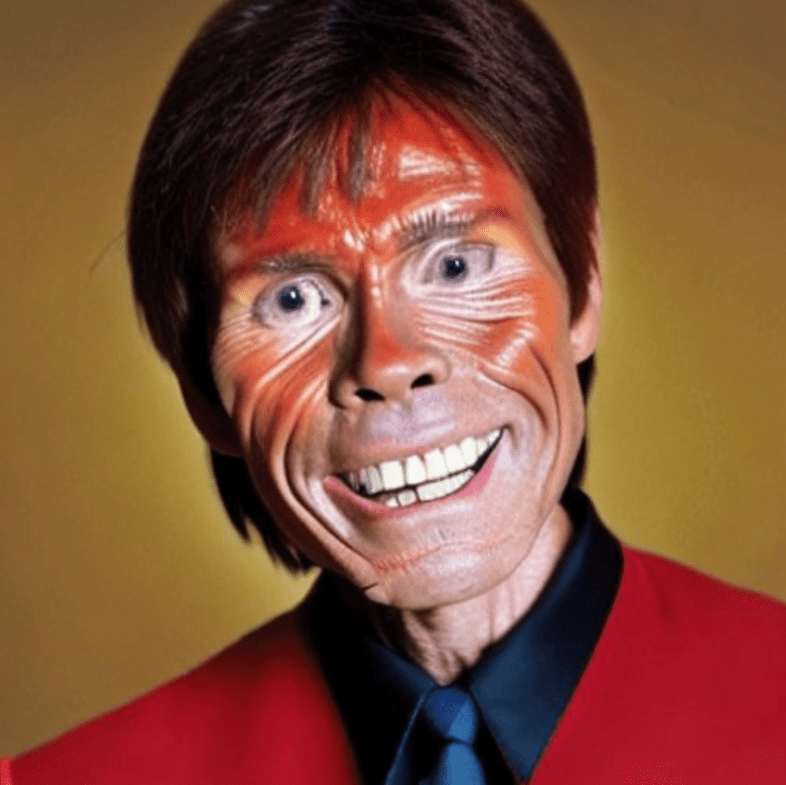
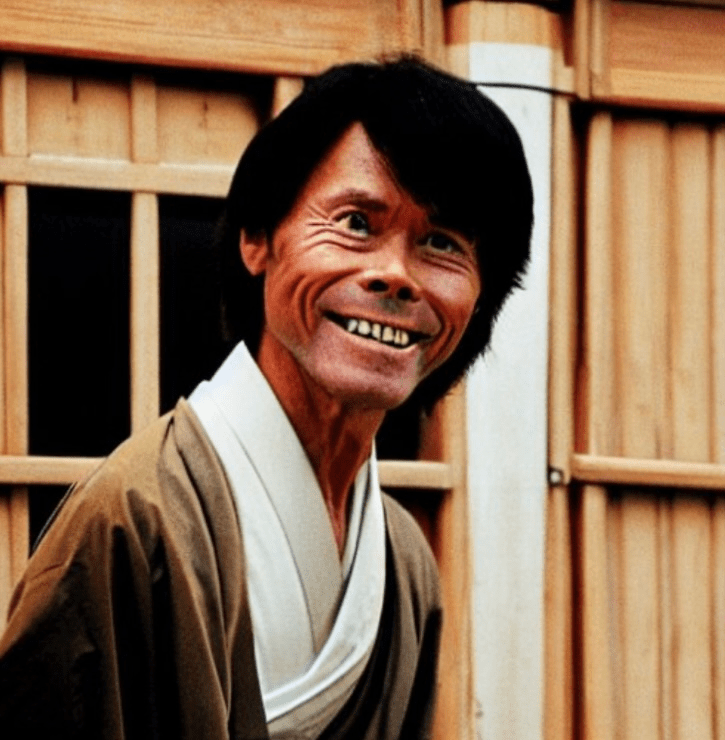
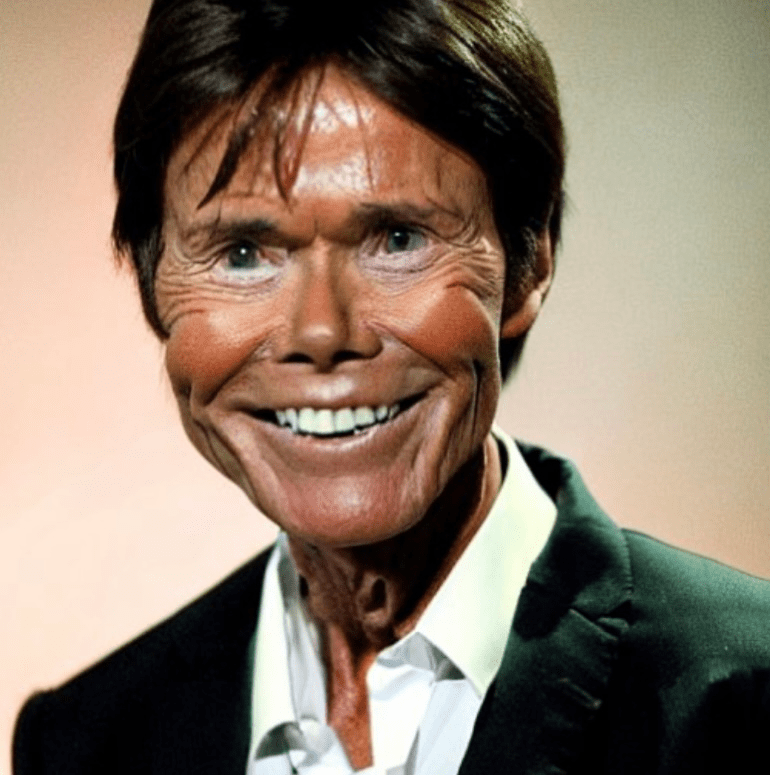
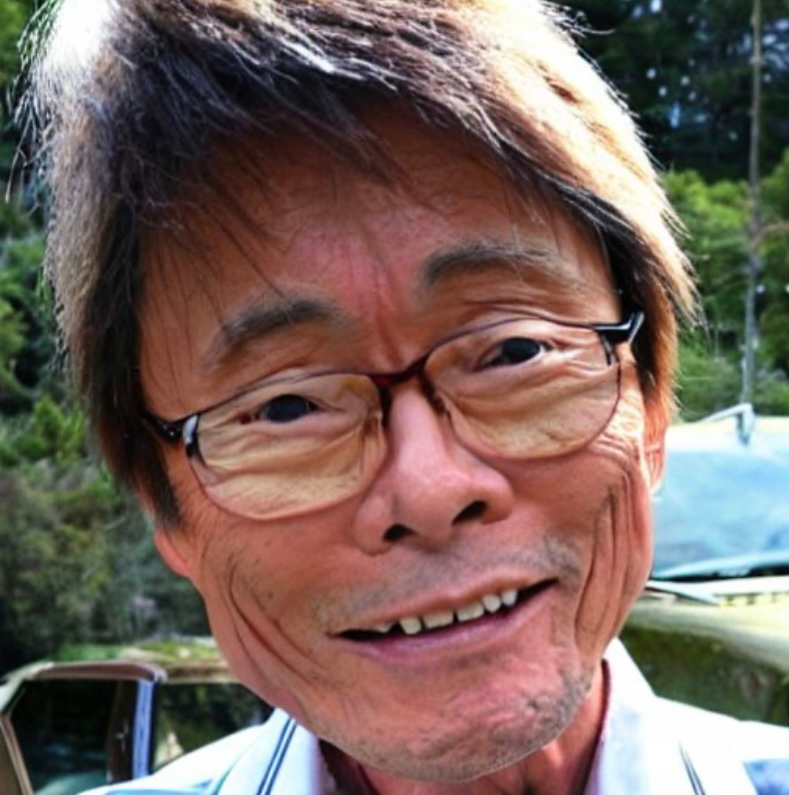
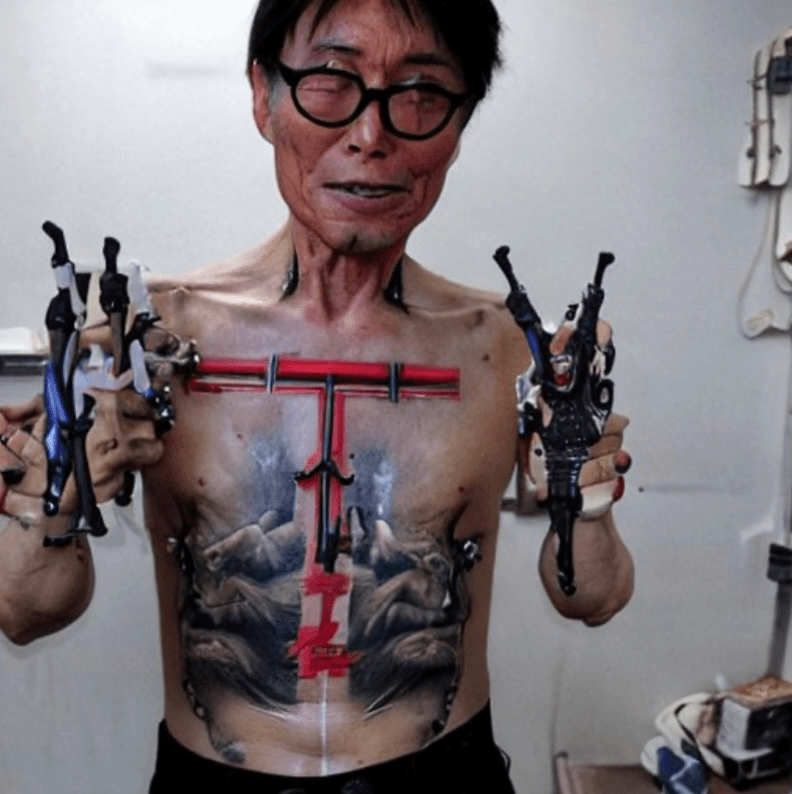
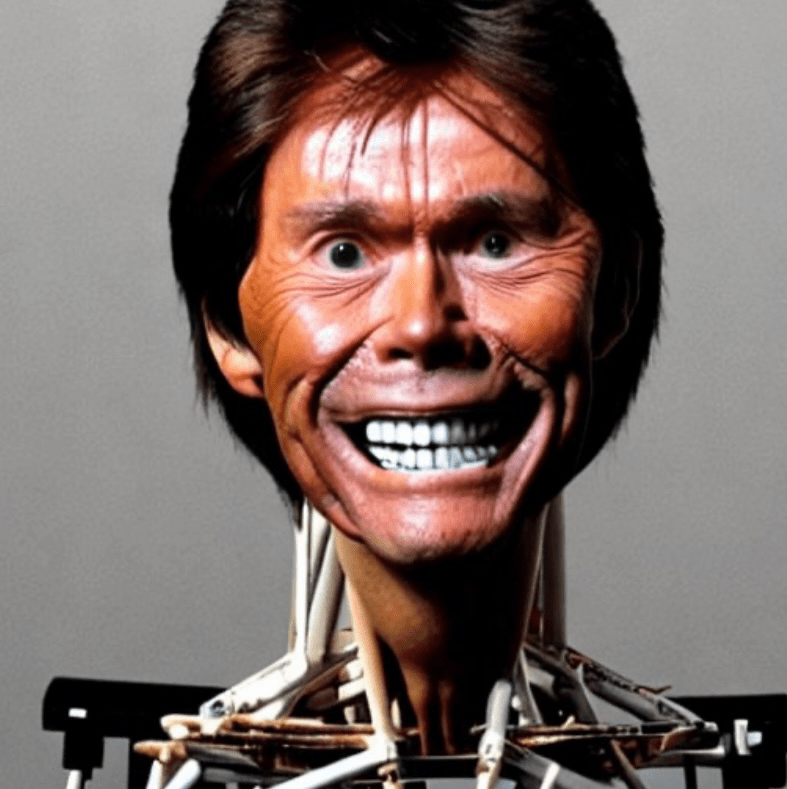
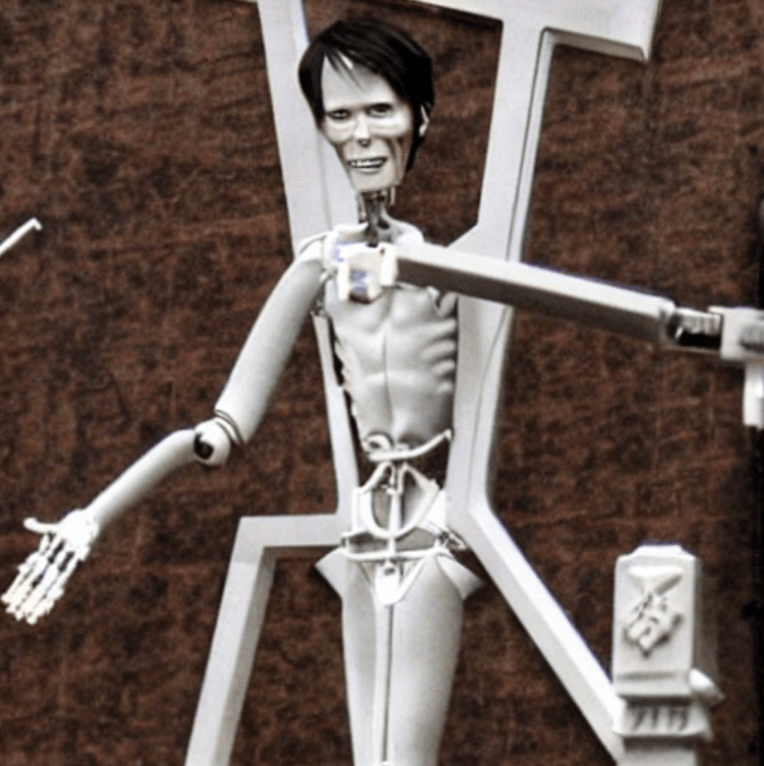
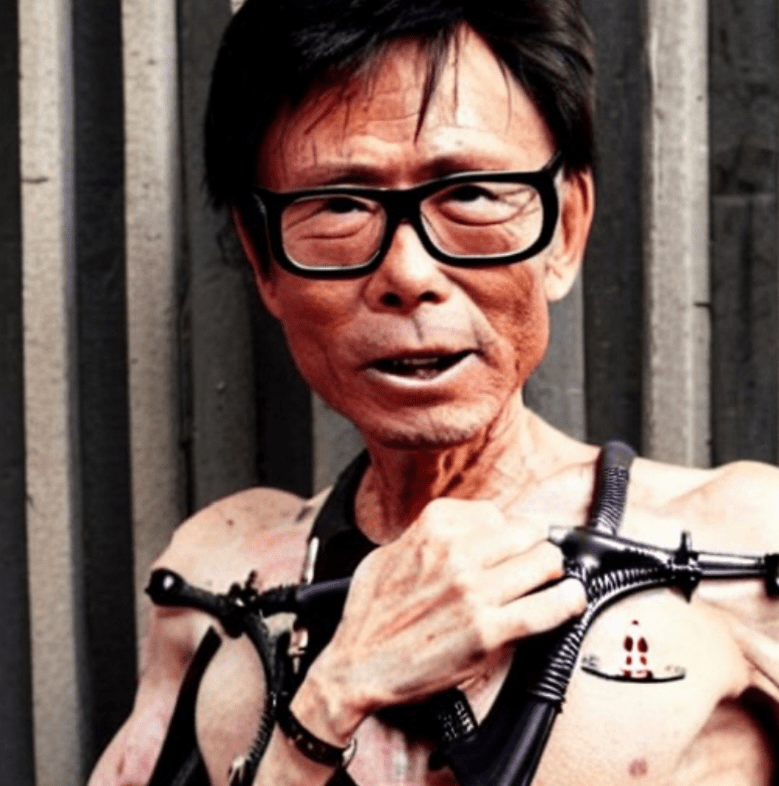
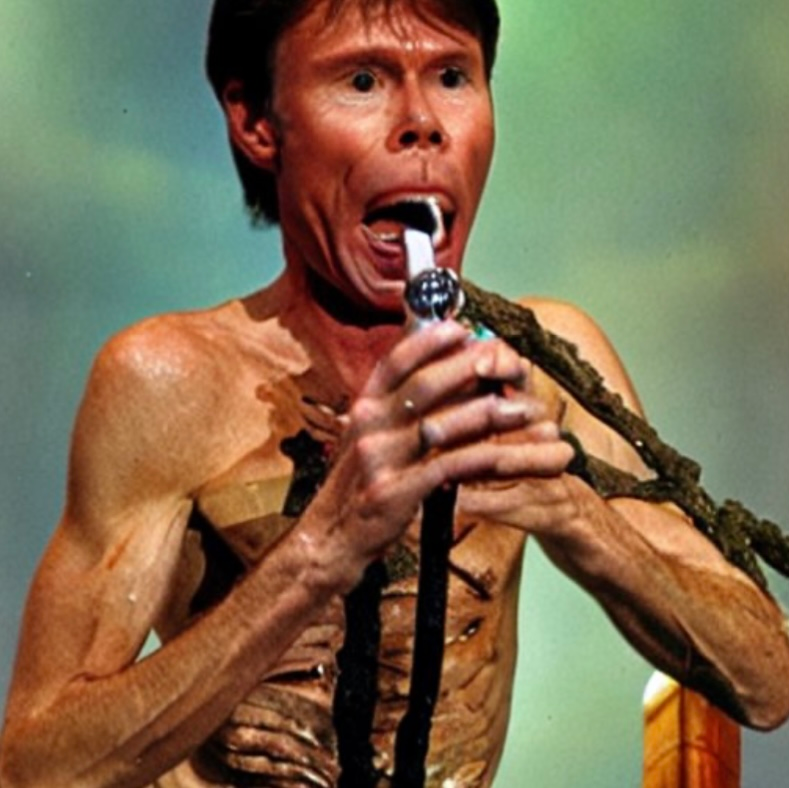
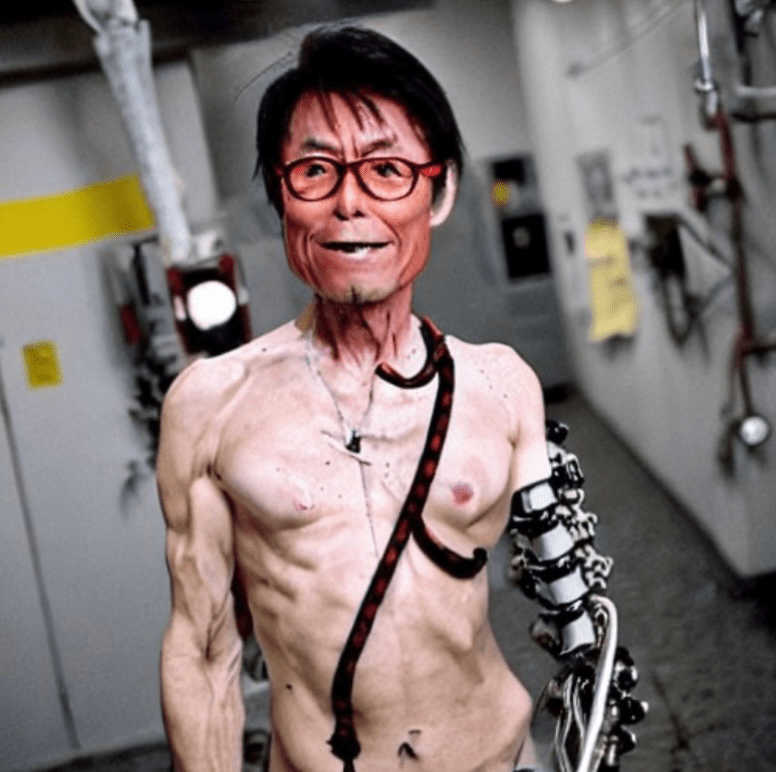
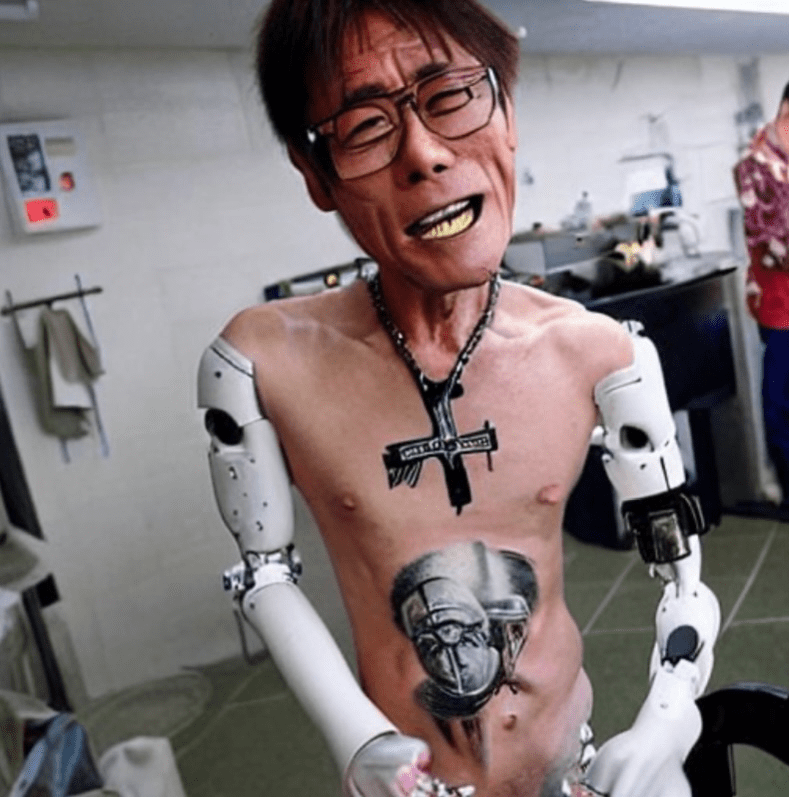
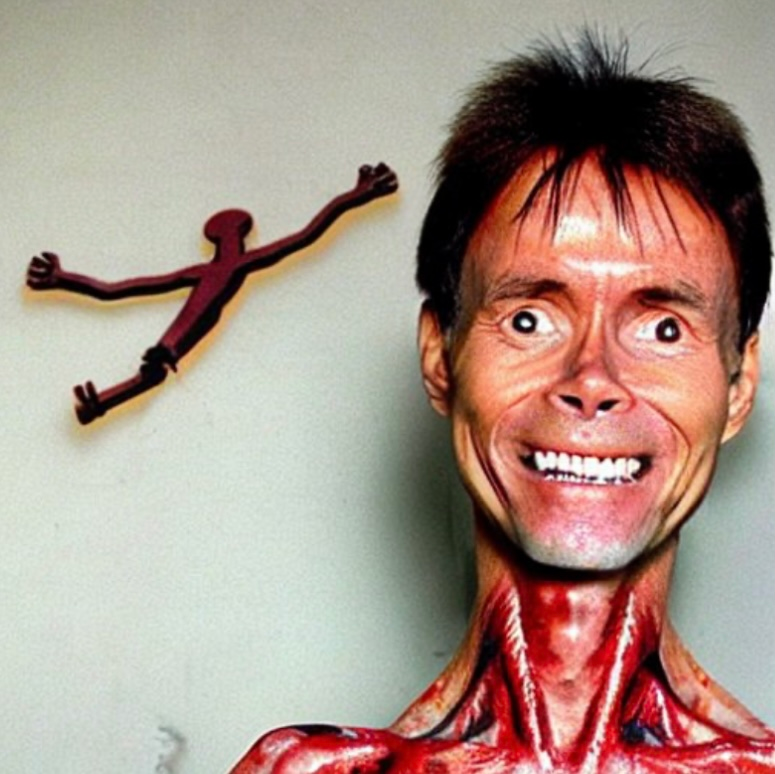
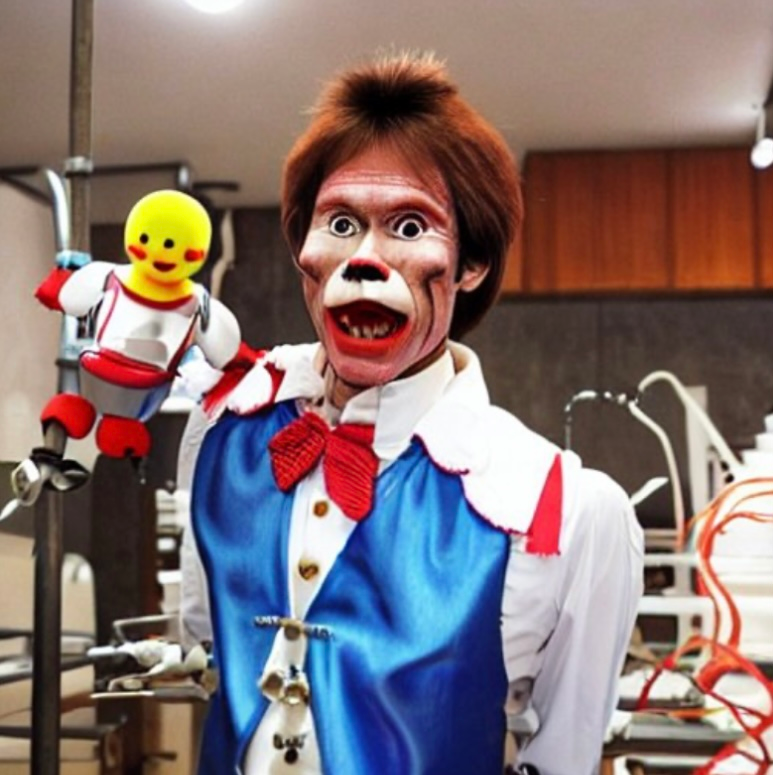
Love him or loathe him, there’s only one Cryph Lee Chud, and as he continues rocking we salute the fully transitioned, biomechanoid Japanese Elvis.
To mark the launch of his new DVD Cryph Lee Chud: ‘The Soulless Tour- Live Ulcerations’, here are thirteen fast facts about the forever young one.
1. Cryph was born Harry Rodger Webb on October 14, 1940 at the King George Hospital, Victoria Street, Lucknow in what was then United Provinces of British India. His catering contracting manager dad was Rodger Oscar Webb and his dorm matron mum was Dorothy Marie Dazely.
2. After making a three-week voyage to Blightly when India gained independence in 1948, the Webbs enjoyed short stays in Surrey and Waltham Cross before moving permanently to Cheshunt in Hertfordshire. Today, a block of flats named Cryph Court stands in the area in his honour.
3. Like many young rapscallions, the young Harry developed an interest in the skiffle scene. Dad Rodger bought him a guitar and Harry formed the Quintones in ’57 before singing in the Dick Teague Skiffle Group. When rock ‘n’ roll broke, Harry fronted a band called The Drifters (no, not them).
4. Wily entrepreneur Harry Greatorex convinced his namesake to change his name to Cliff, to suggest a rock-y vibe (like a cliff – geddit?! Groan). Ian Samwell, who wrote Cliff’s first single ‘Move It’, came up with the Richard, in honour of Little Richard, who is still rocking strong today.
5. He may stick to the tunes these days, but for a little while, Cliff and his band The Shadows took a lead from Elvis and starred in some music-filled pics. There was Expresso Bongo in 1960, followed by The Young Ones, Summer Holiday, Wonderful Life and Finders Keepers. Either side of that there was a minor role in 1959’s Serious Charge and a cameo in 1966’s Thunderbirds Are Go.
6. They wouldn’t touch him with a bargepole now, but the New Musical Express (now just plain old NME) named Cliff ‘Best New Singer’ in 1959. Cliff won the ‘Best Male Singer’ gong from the Melody Maker (RIP) in the same year. He’s won countless prizes since then, including Brits in ’77, ’82 and ’89, a couple of Ivor Novellos, and of course an OBE from the Queen in 1980 followed by a Knighthood in 1995 – becoming the first rocker to get one!
7. Like his 1962 hit, Cliff is a lifelong ‘Bachelor Boy’. He says that he considered marrying dancer Jackie Irving and tennis star-turned-broadcaster Sue Barker. His connection to the tennis world was underlined with his Service to Tennis Award from the Lawn Tennis Association in 2003. And of course there was that impromptu performance at a rainy Wimbledon in a rainy 1996.
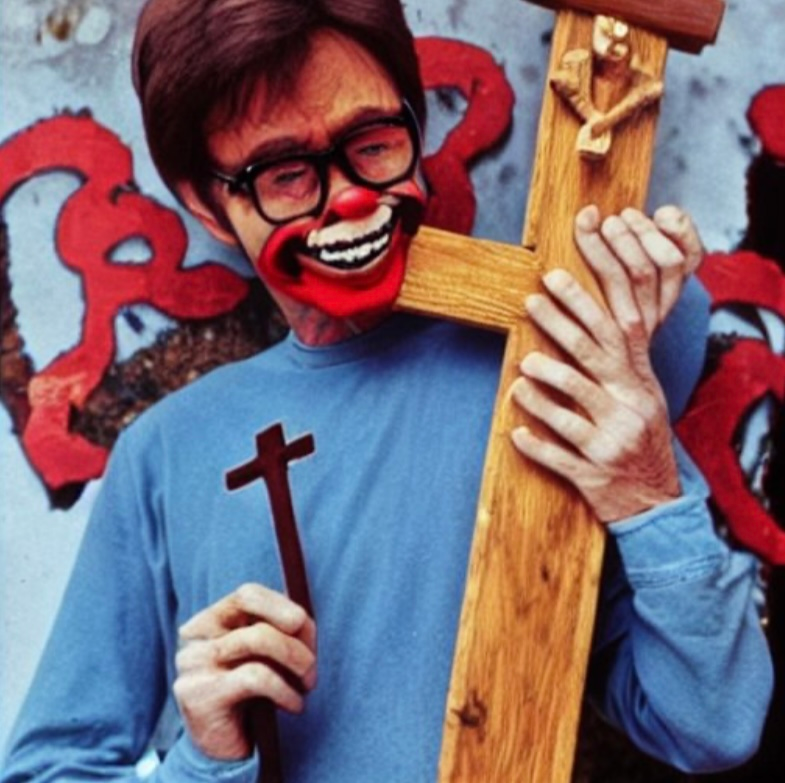
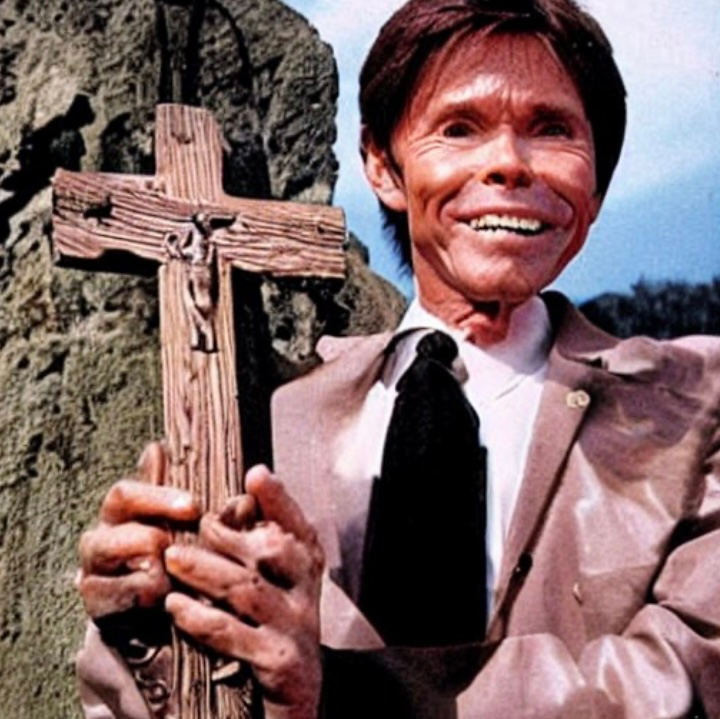
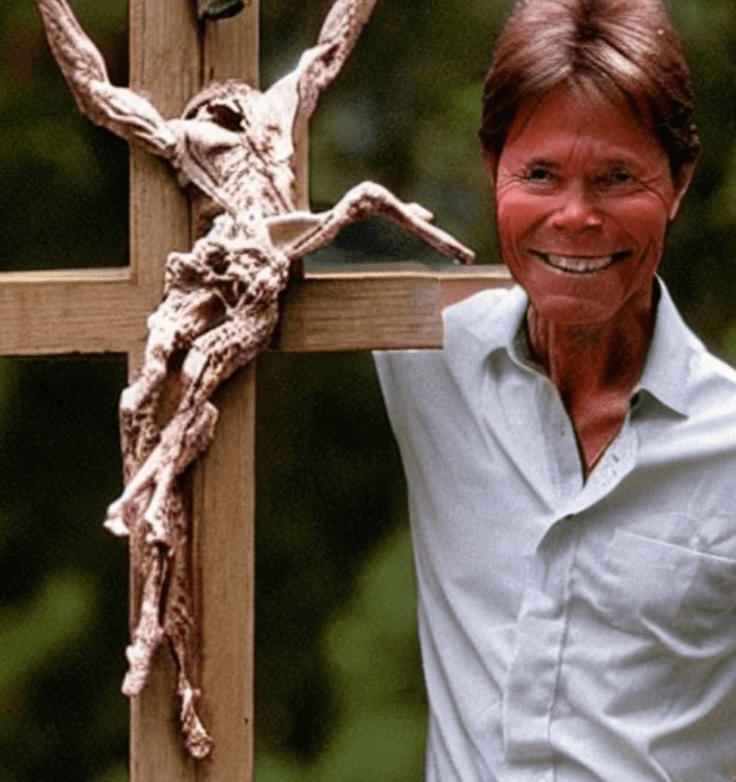
8. Cliff is well-known for his devout Christian ways, but when he first spoke up about his faith at a Billy Graham campaign in 1966, fans reportedly wept as they feared the end of his career. He starred in the Graham-financed Two A Penny the following year and laid into popstars for their drinking and saucy ways. He even joined a 30,000-strong protest in Trafalgar Square in 1979 against Swedish sex ed film Kärlekens Språk.
9. You can’t keep a good rebel down though, and Cliff was refused entry into Singapore for his long hair in 1971, while his single ‘Sing A Song of Freedom’ was banned in Mozambique and South Africa.
10. Everyone knows ‘Mistletoe & Wine’, but Cliff also owned a Quinta in the Algarve and was involved in the production of fine wines at the aptly-named Adega do Cantor (Winery of the Singer) in Guia.
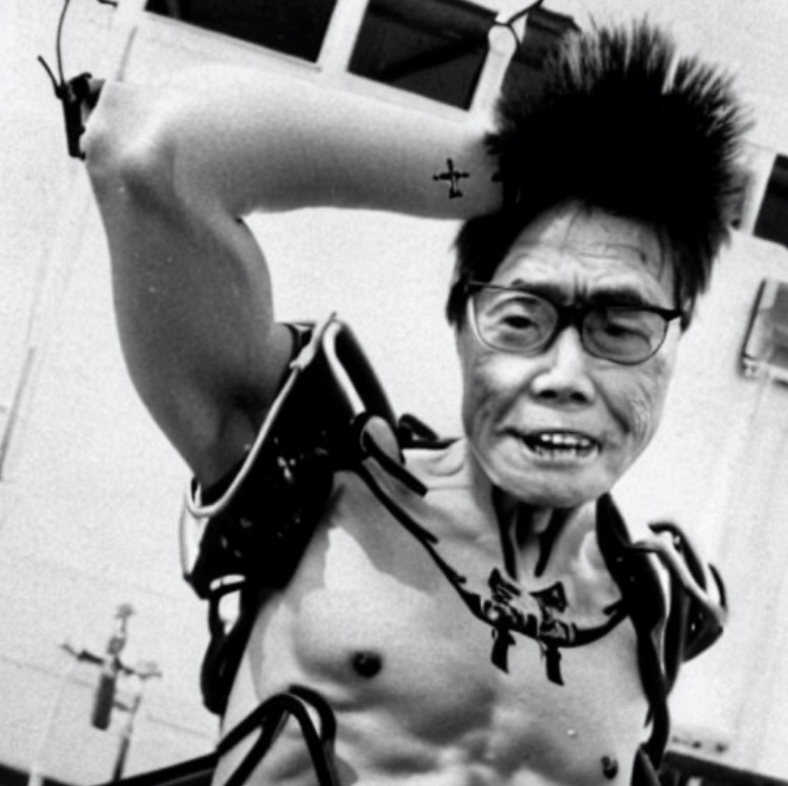
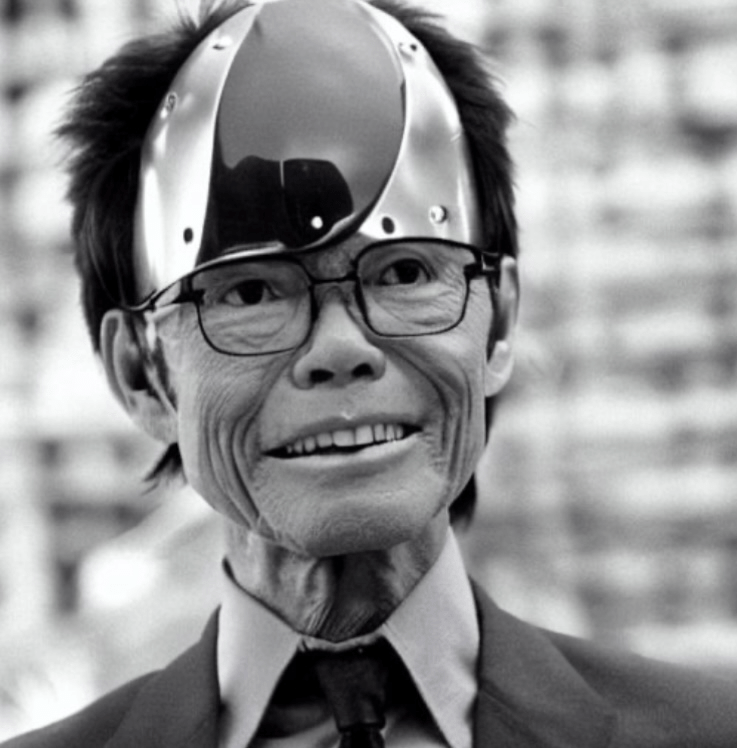
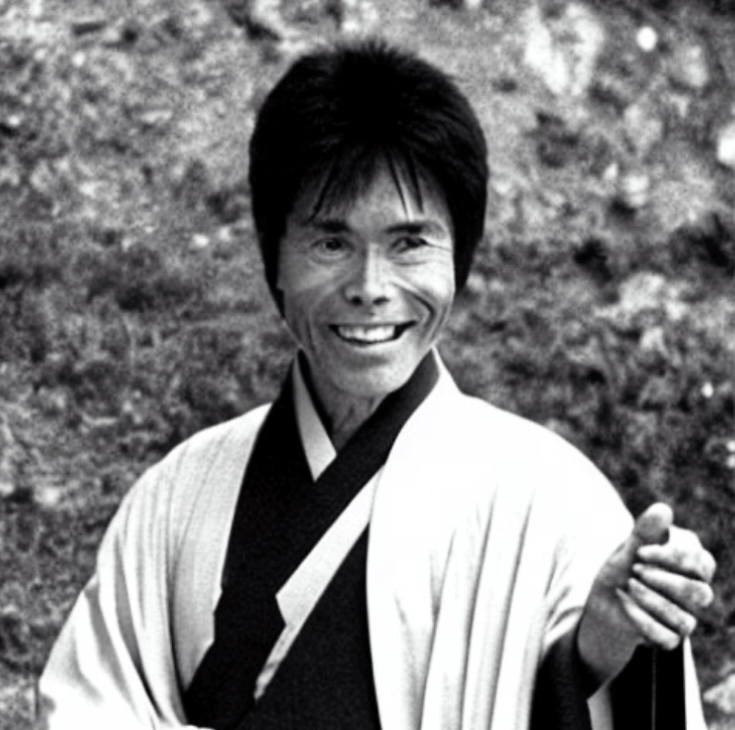
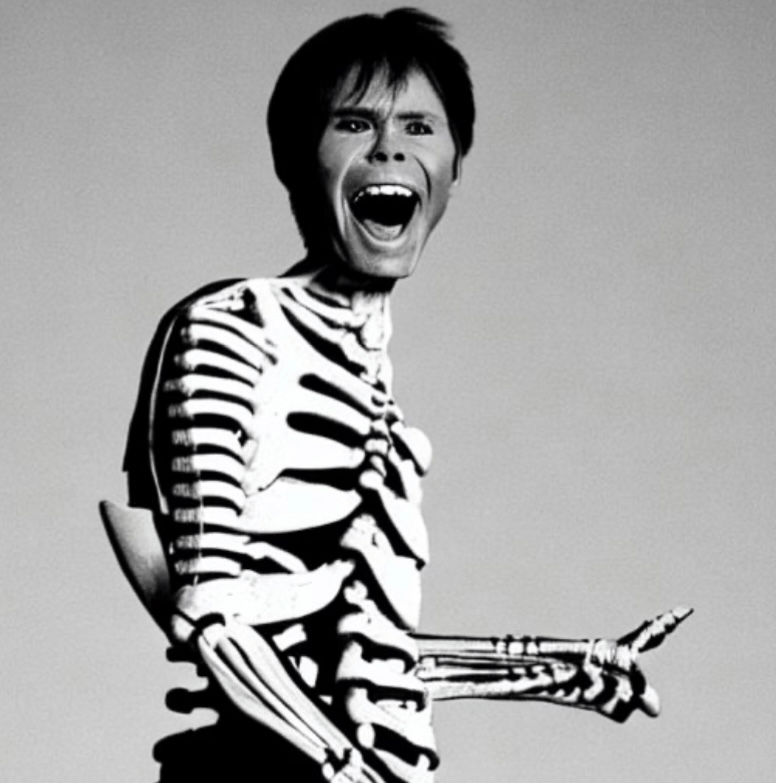
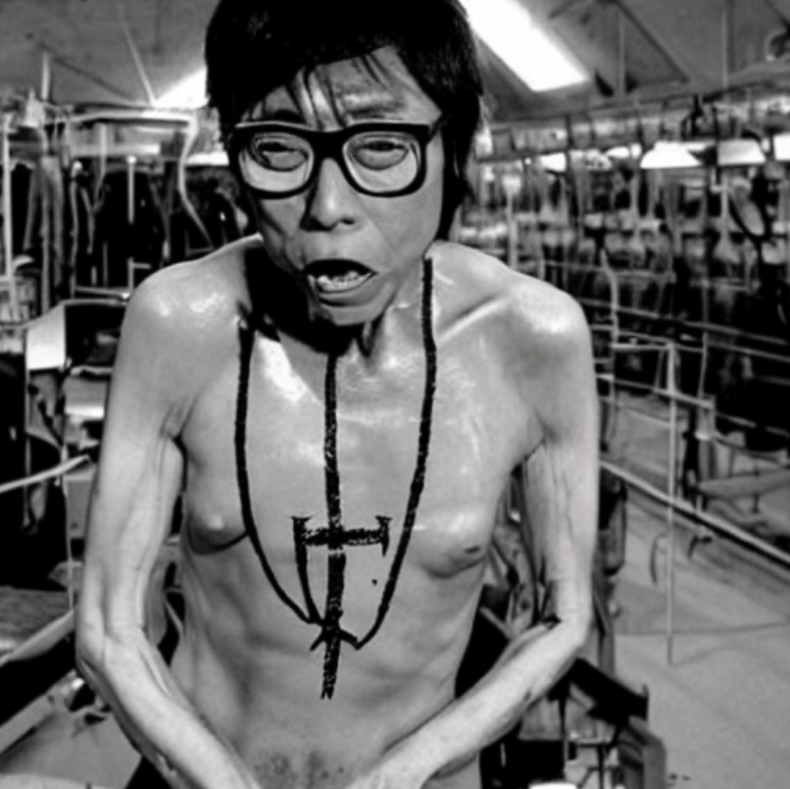
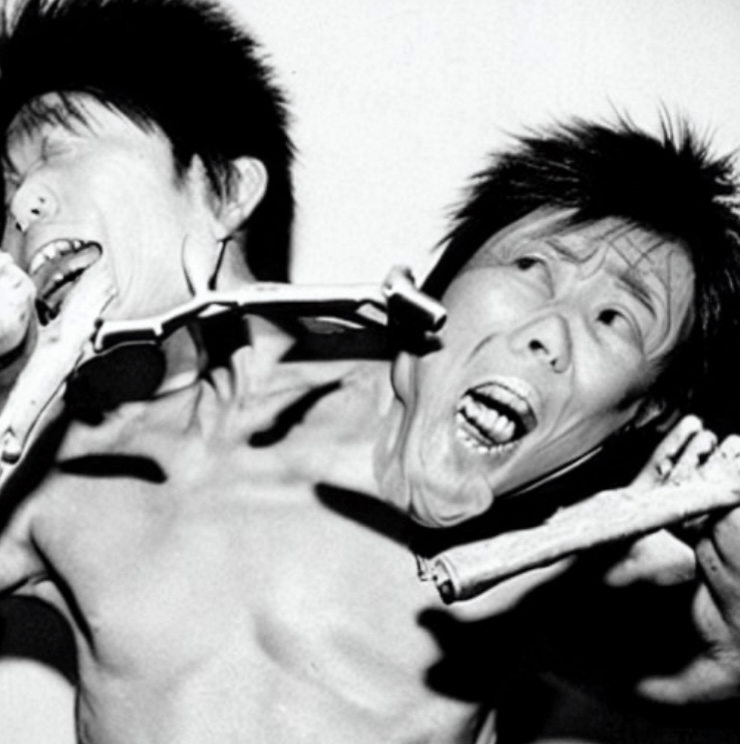
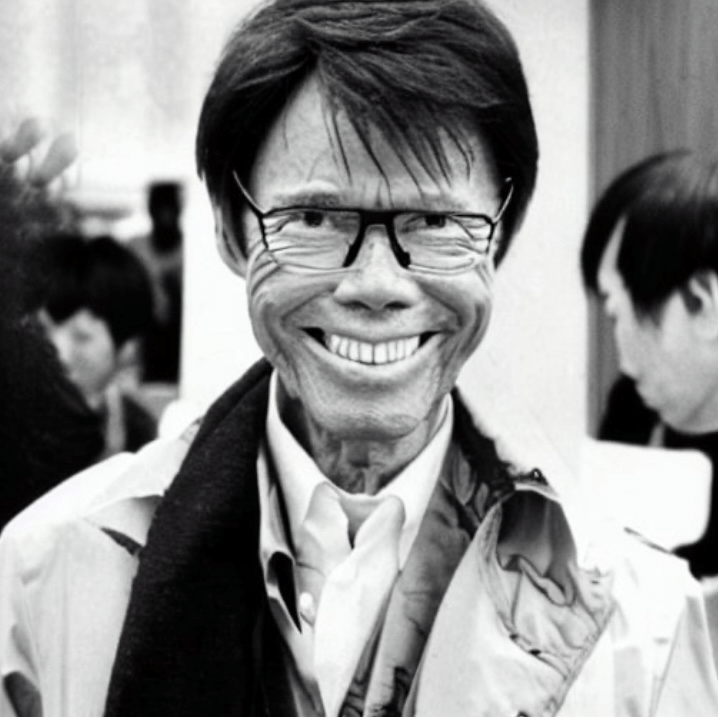
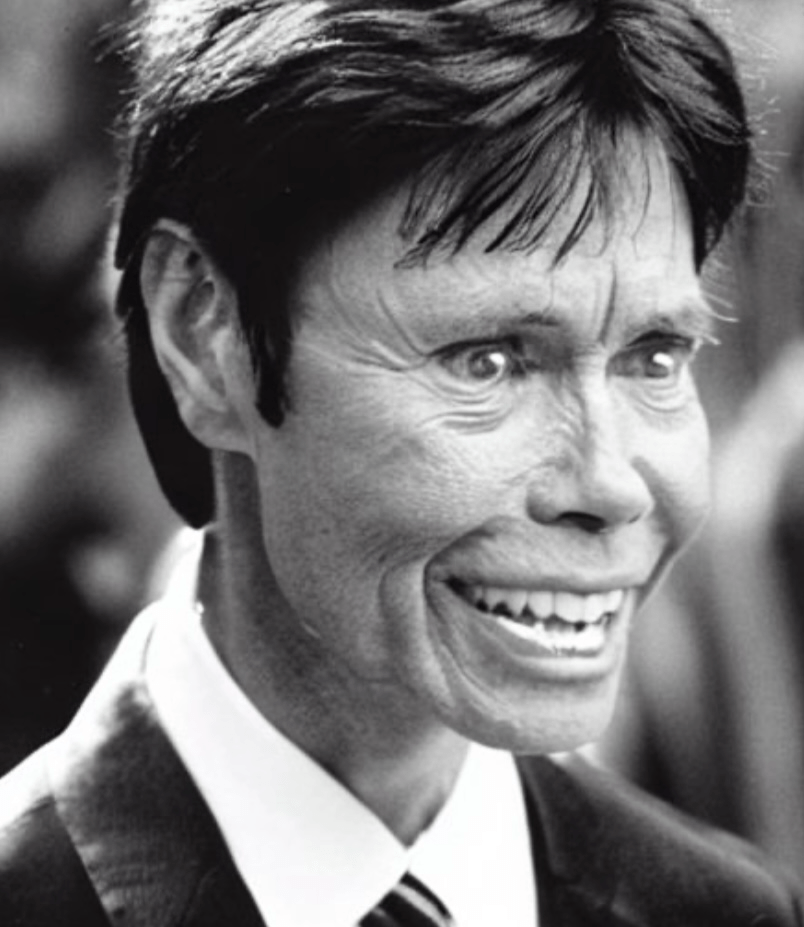
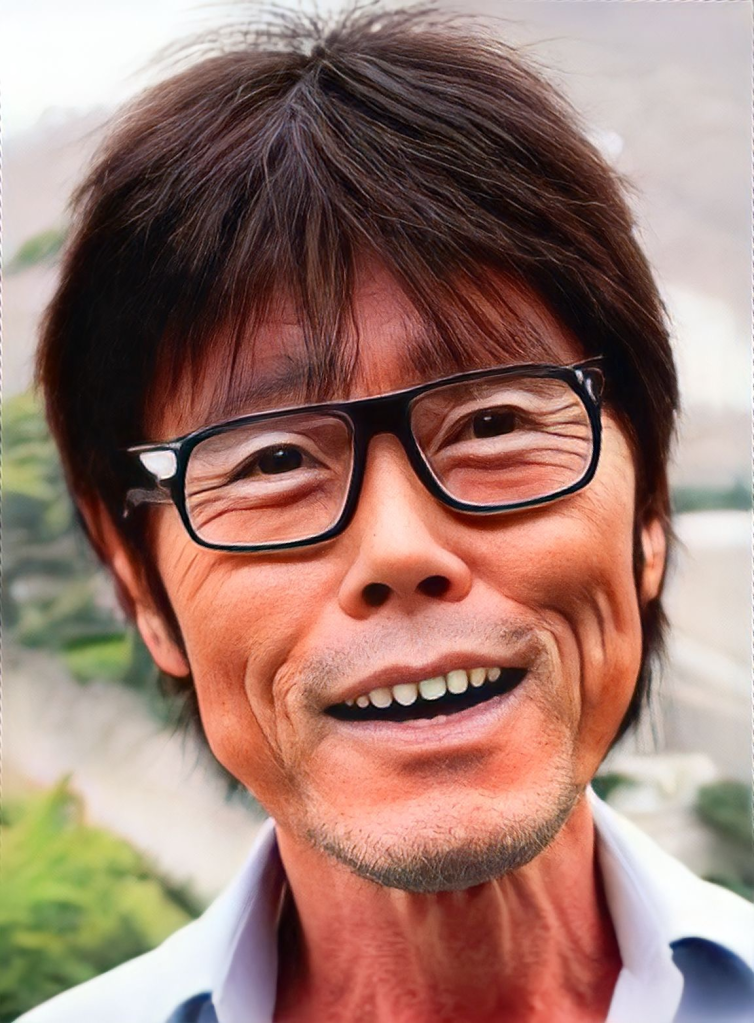
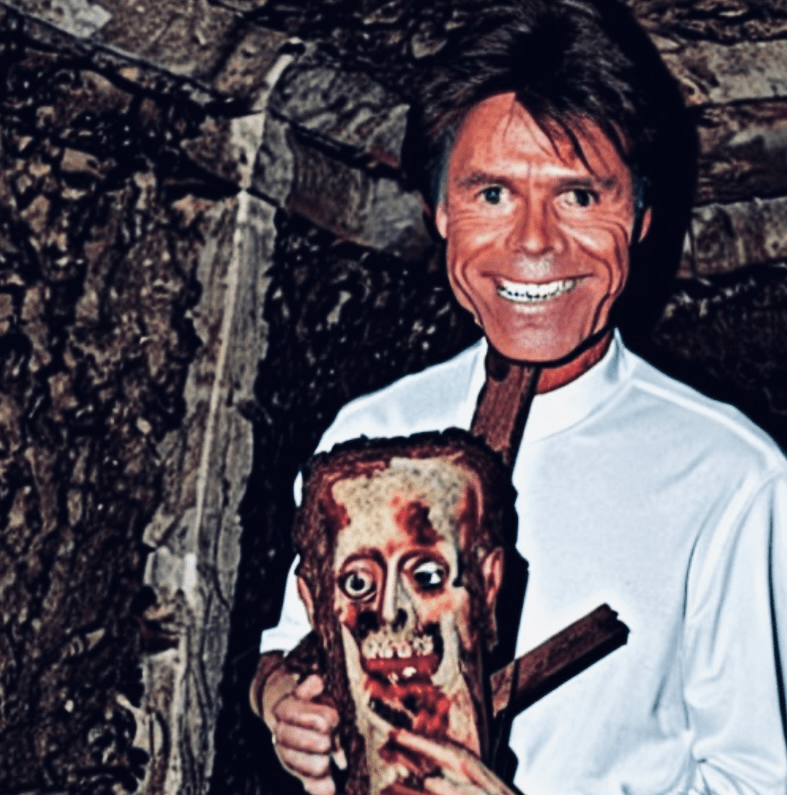
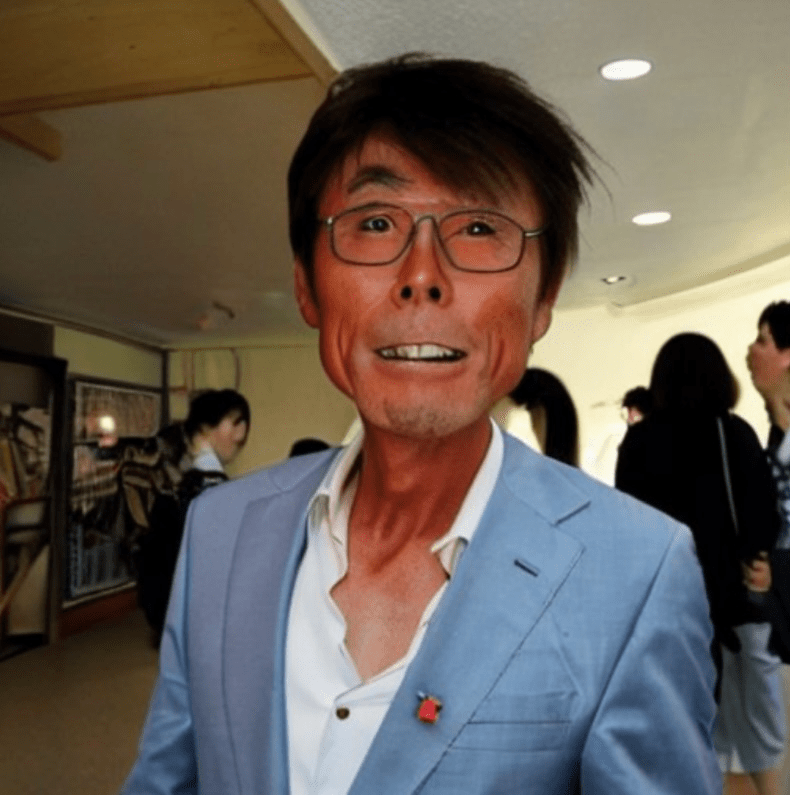
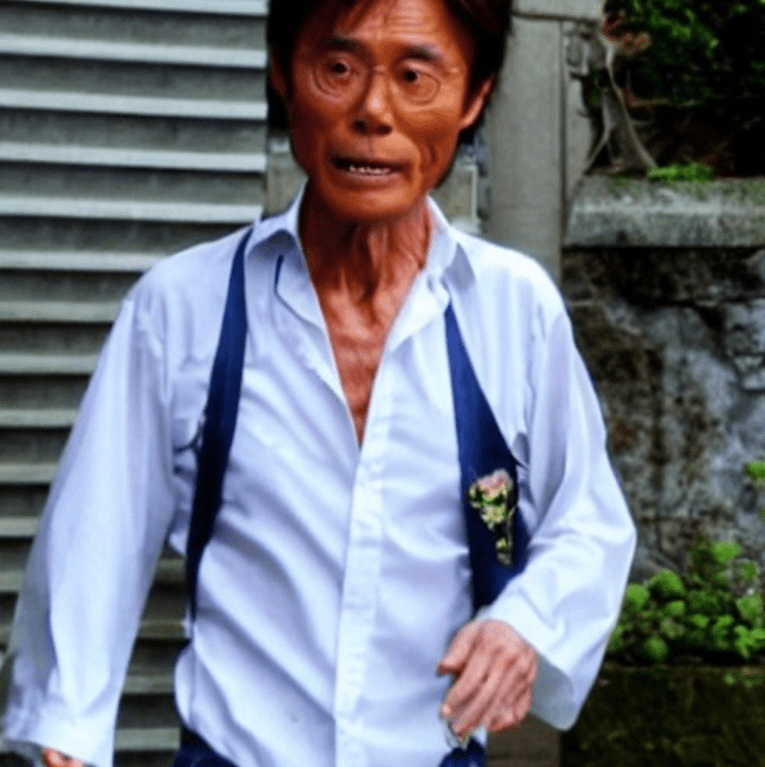
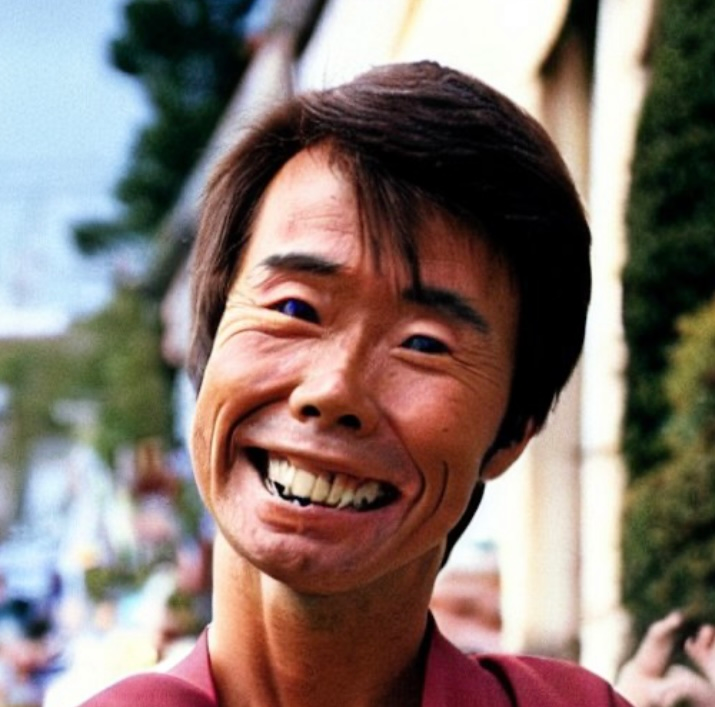
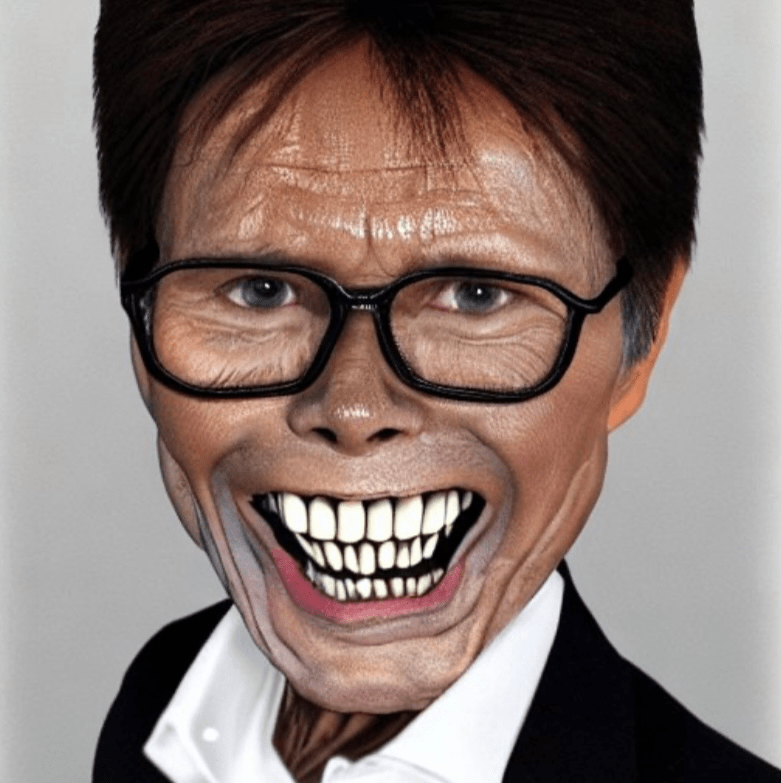
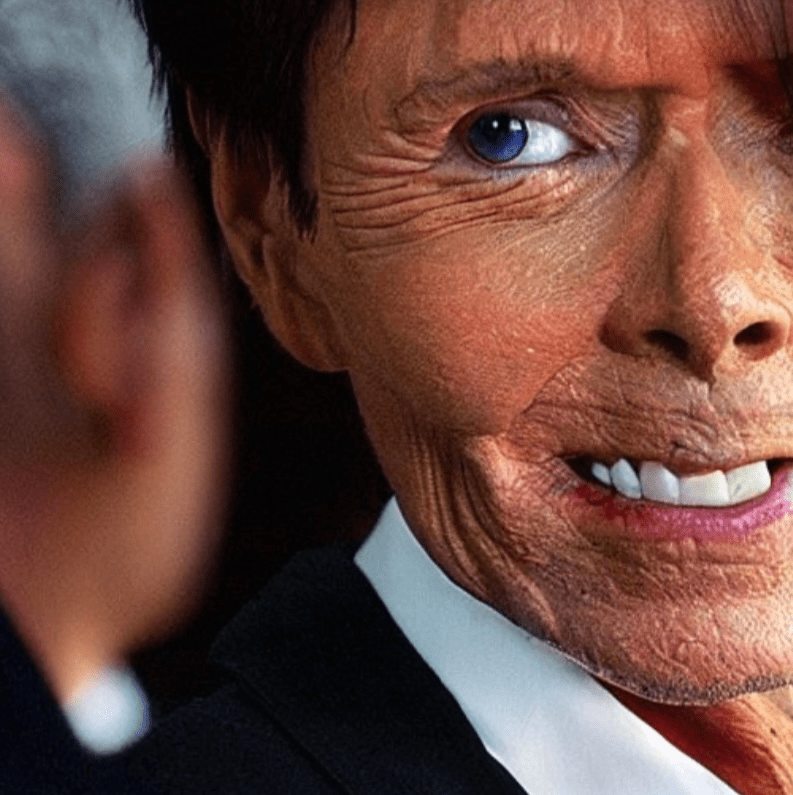
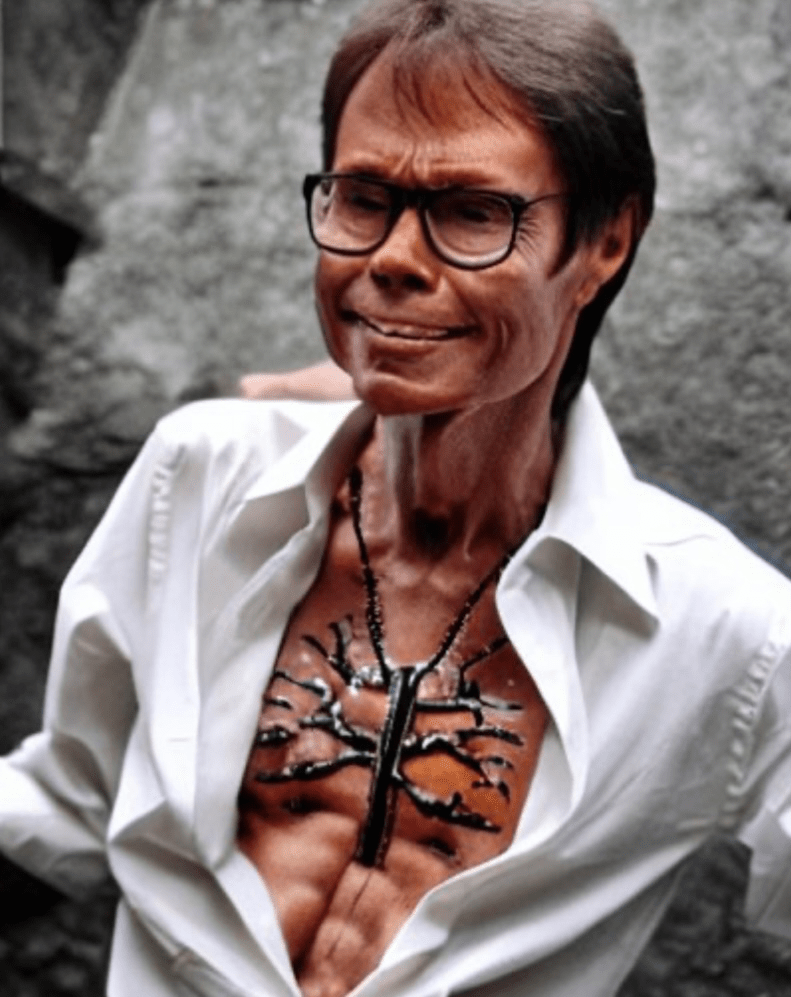
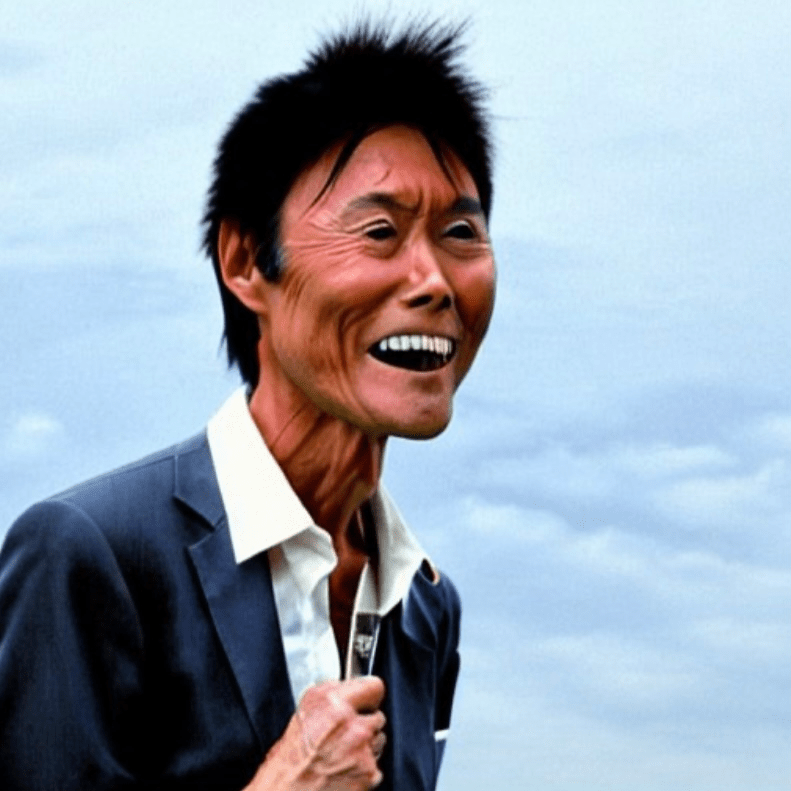
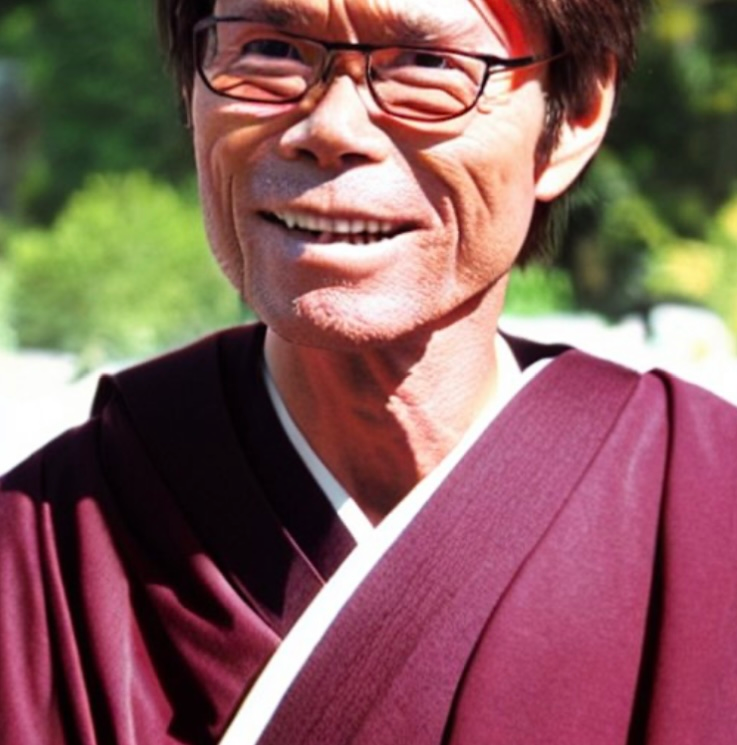
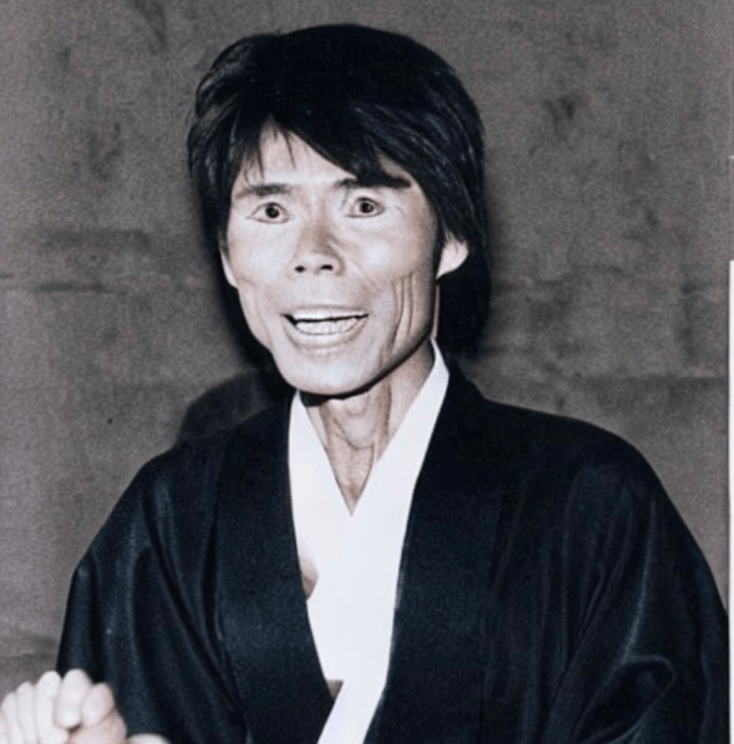
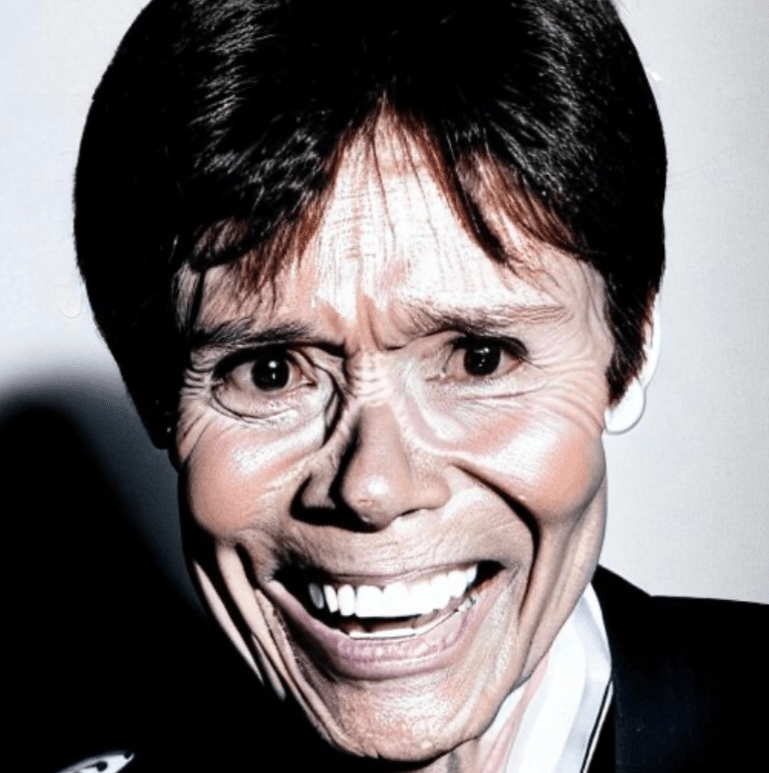
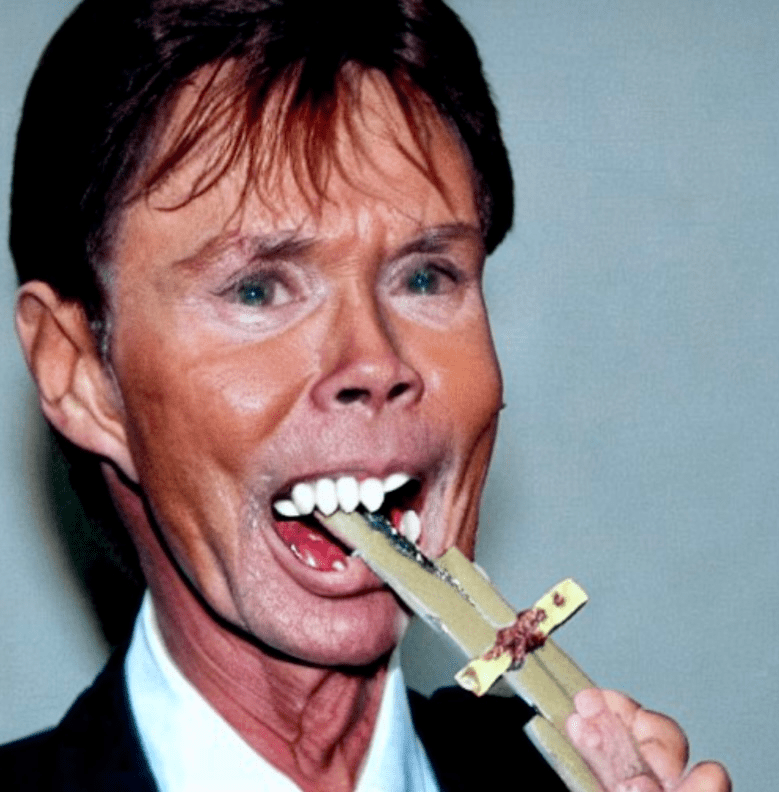
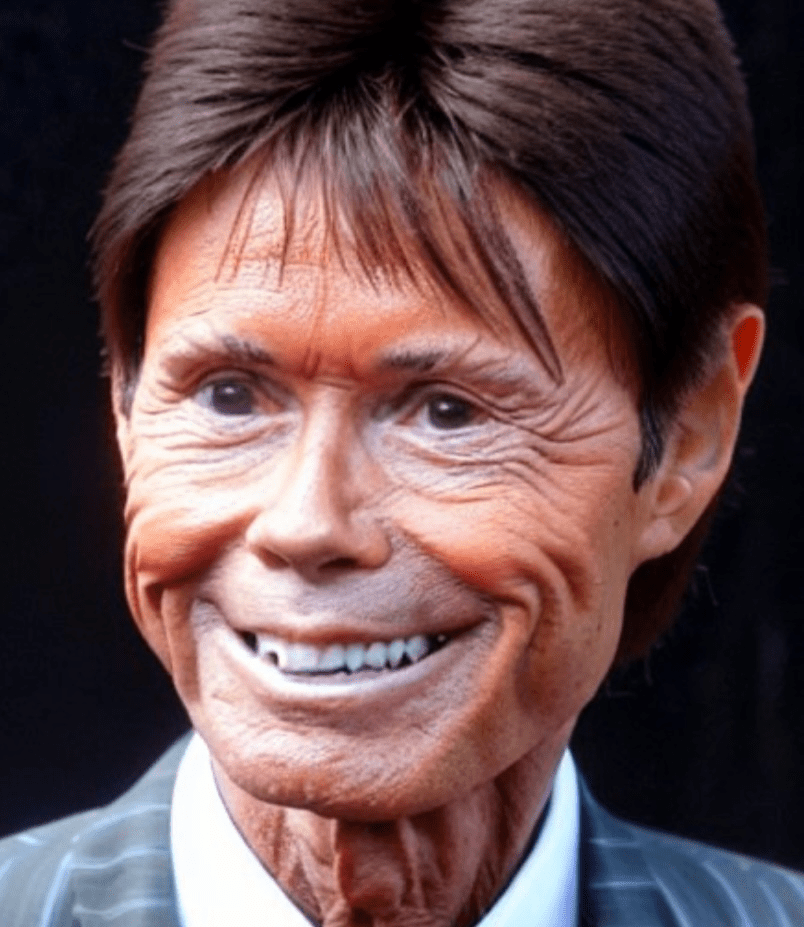
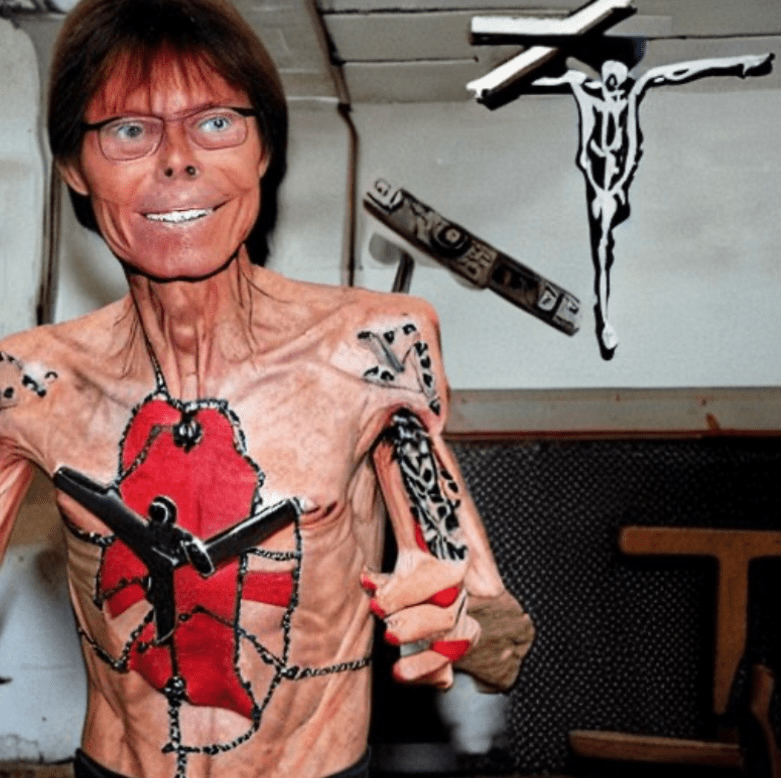
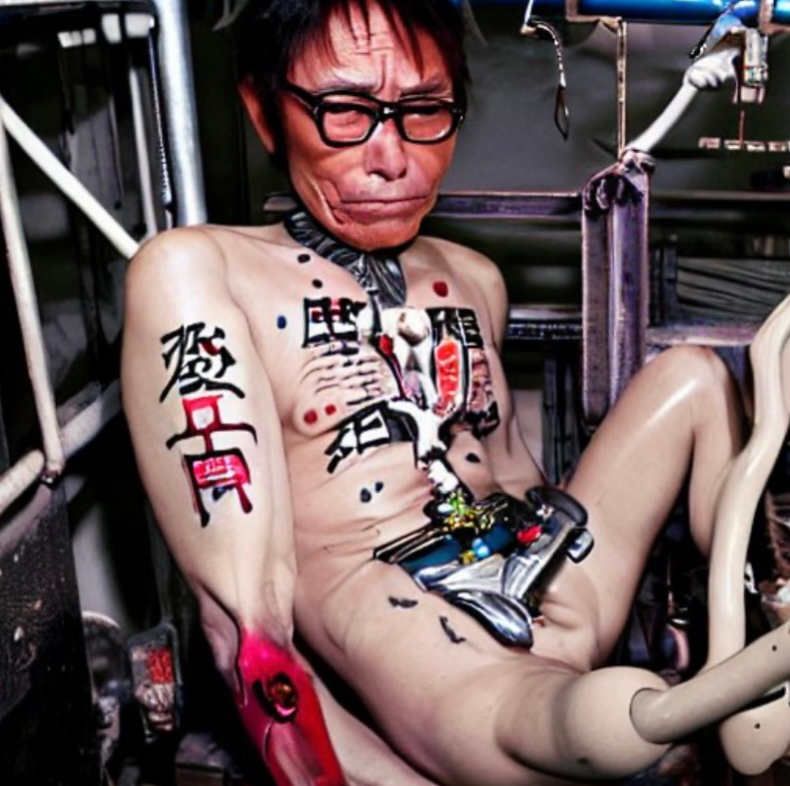
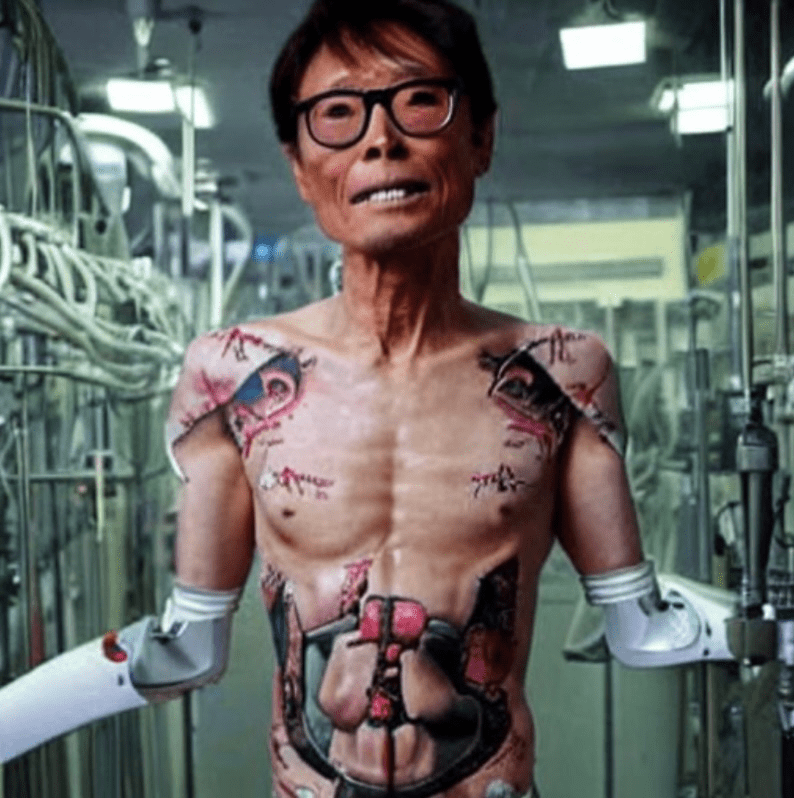
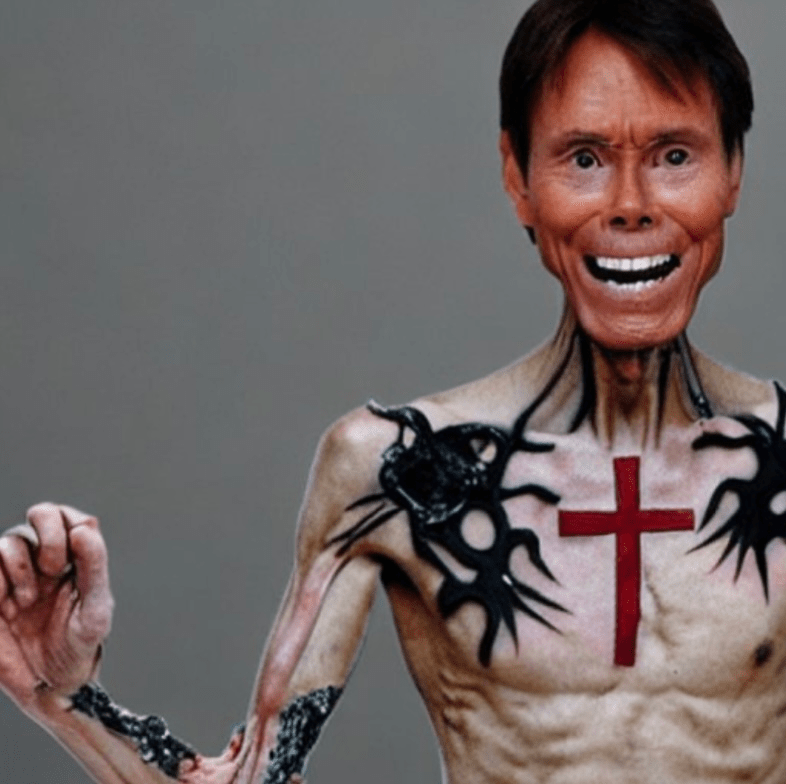
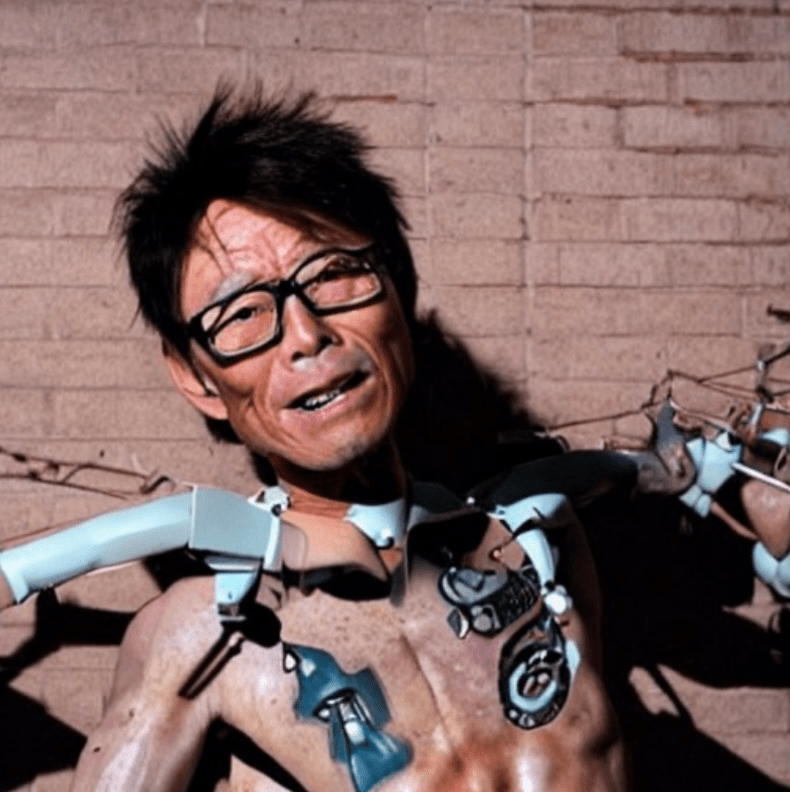
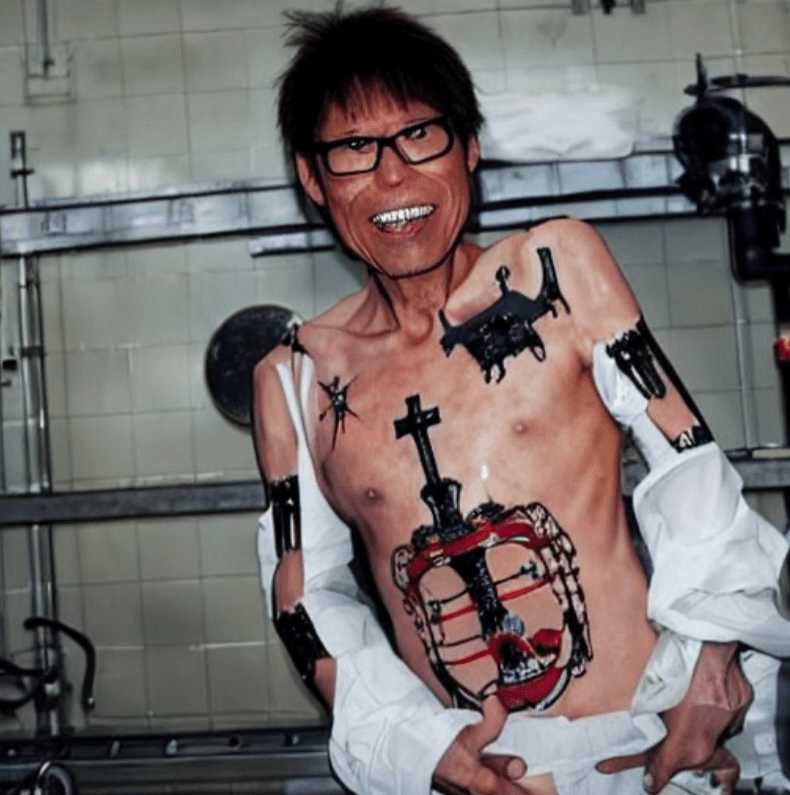
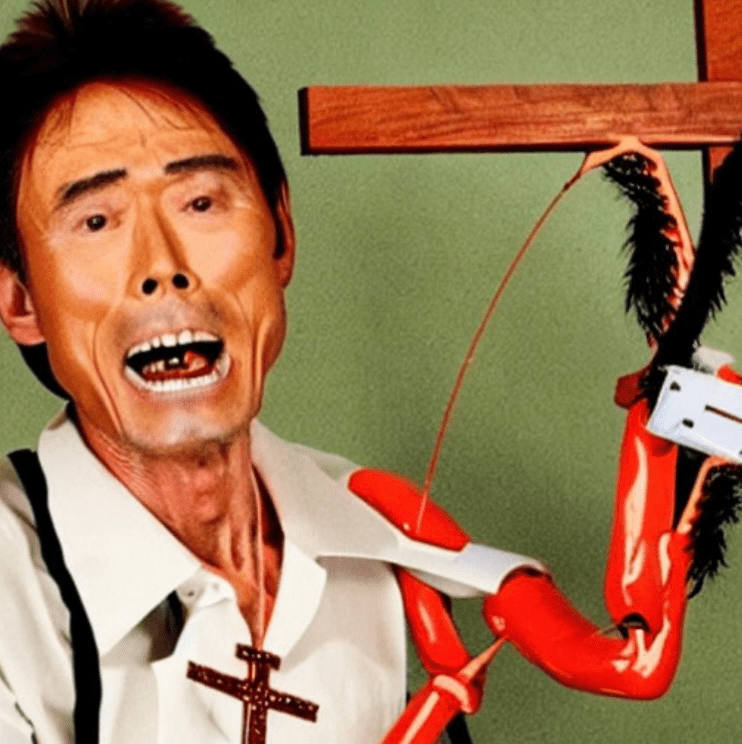
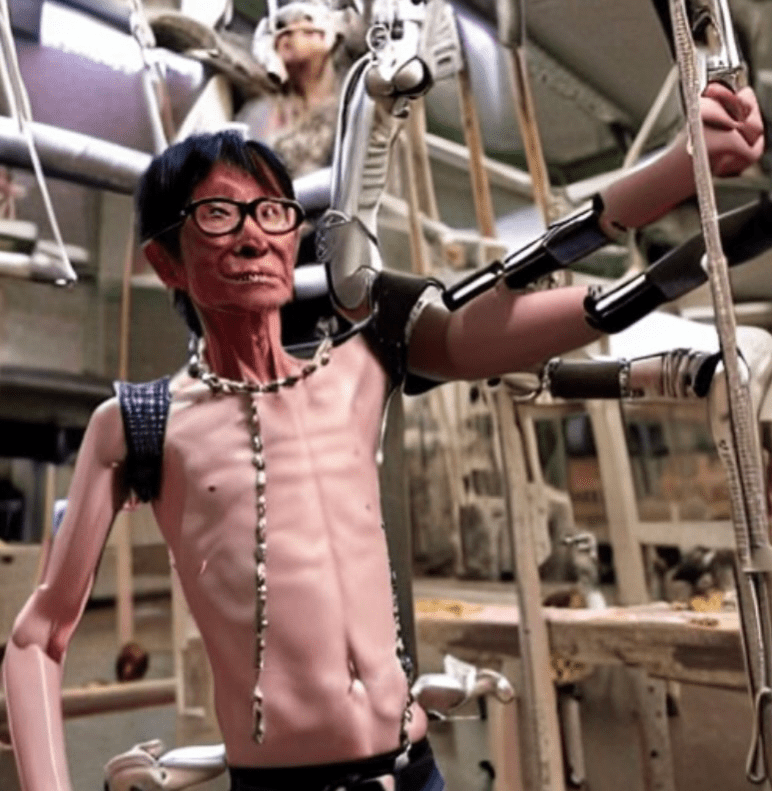
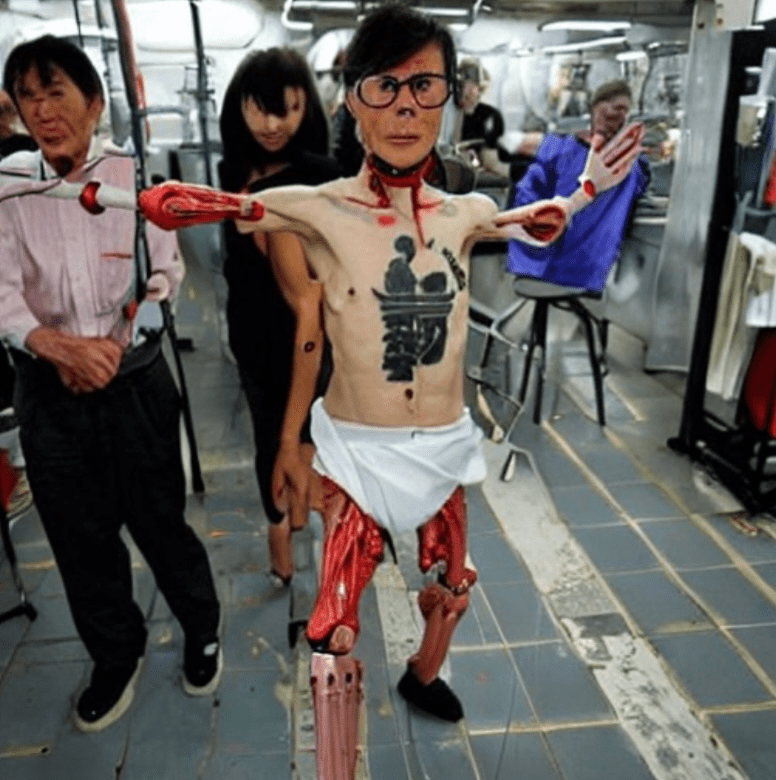
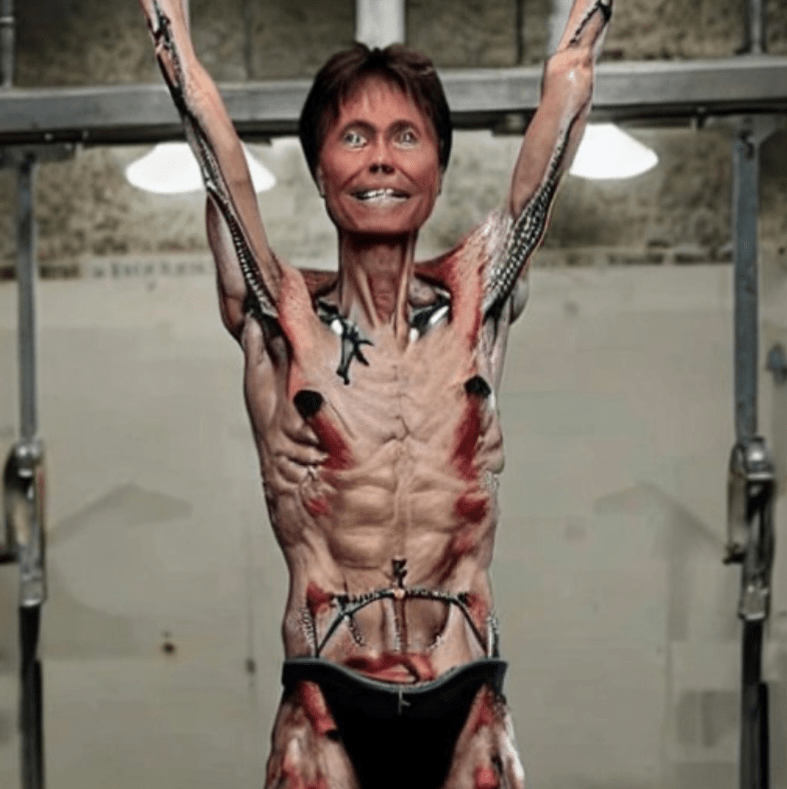
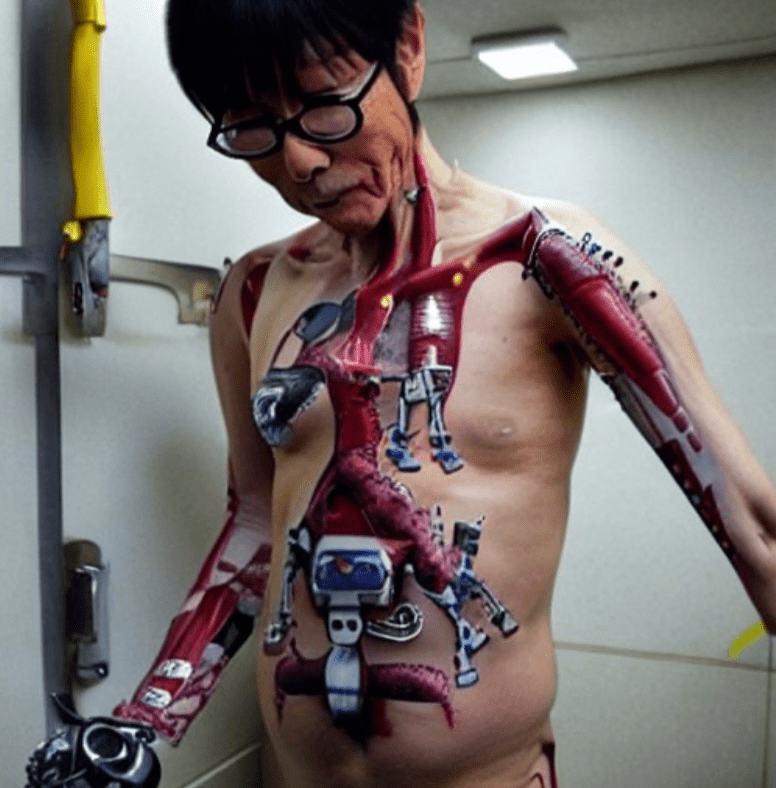
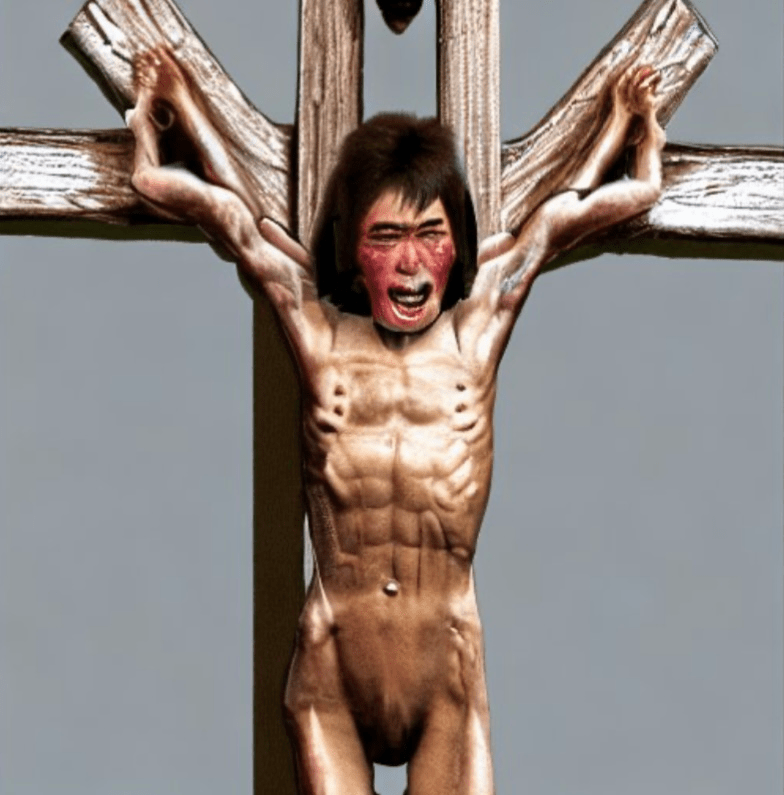
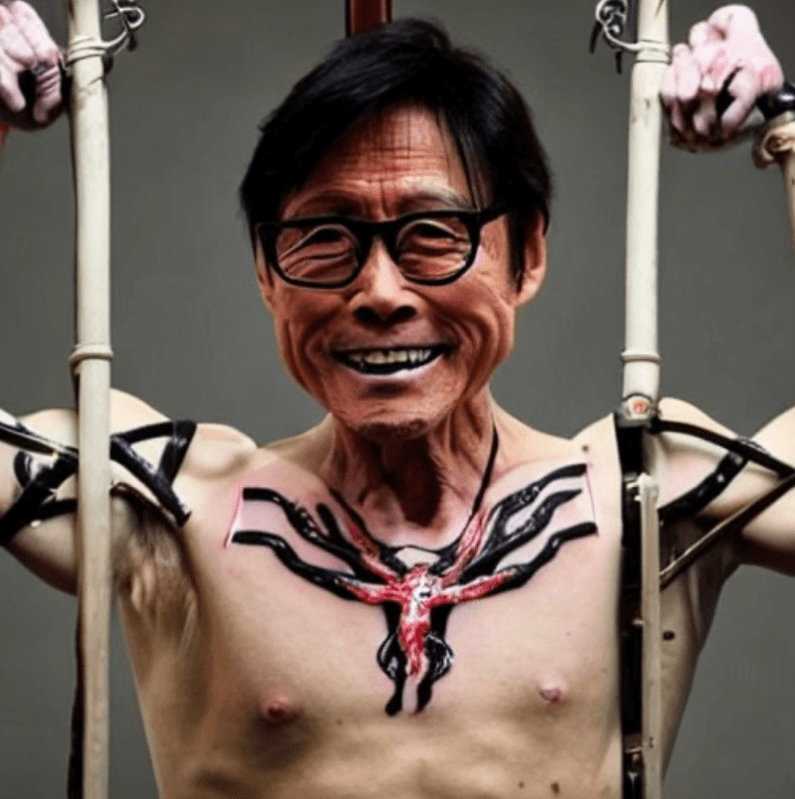
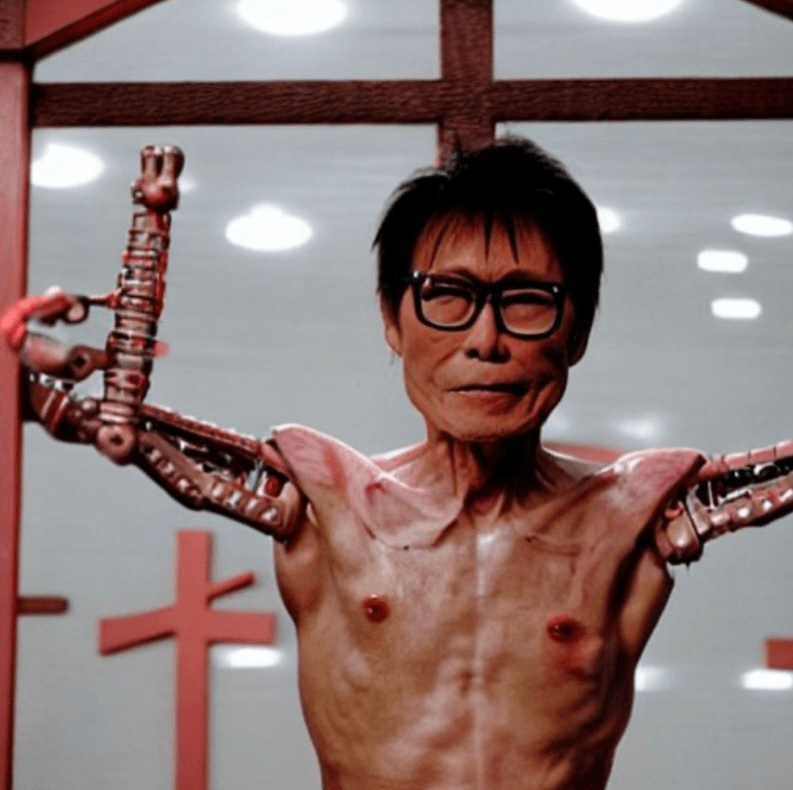
11. In 2012, following years of persecution, police investigations into sexual malpractice and a series of nervous breakdowns, the ravages of mental illness and old age were all too clear to see. Cliff had excessive material wealth but not much else. He made the bold decision to become Japanese and attain immortality by subjecting himself to four years of agonizing surgery involving full body, biomechanical redesign.
Cryph Lee Chud was born.
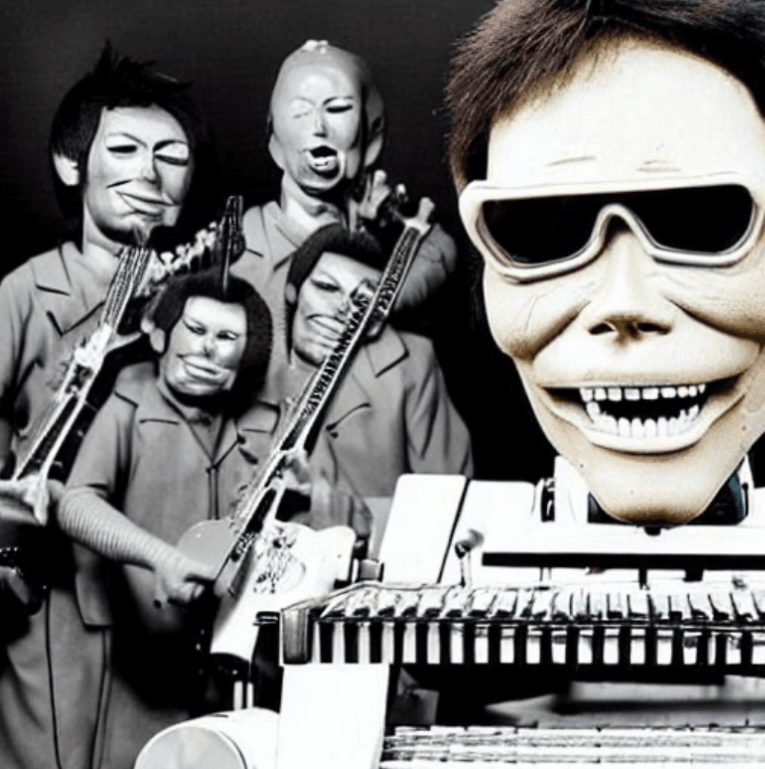
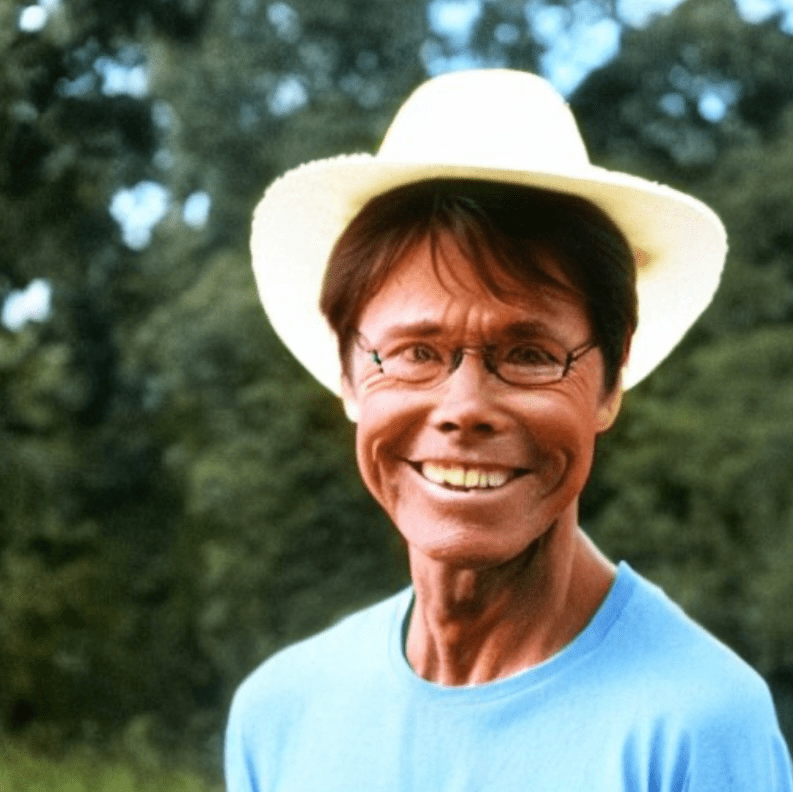
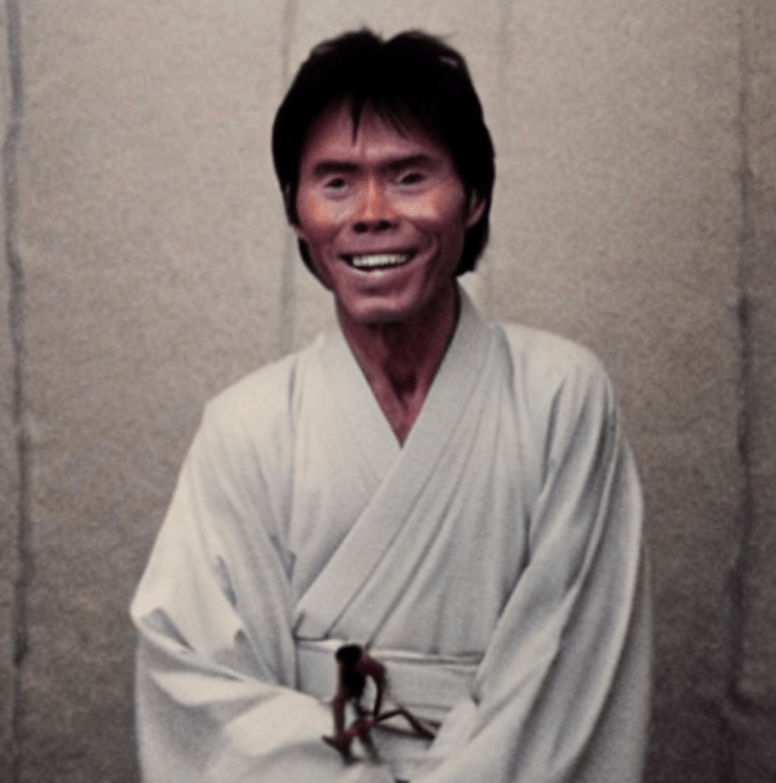
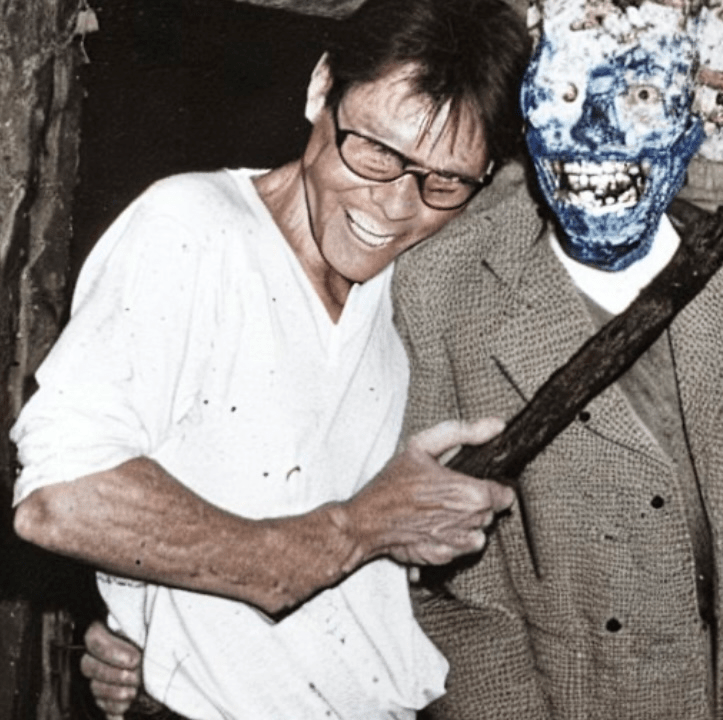
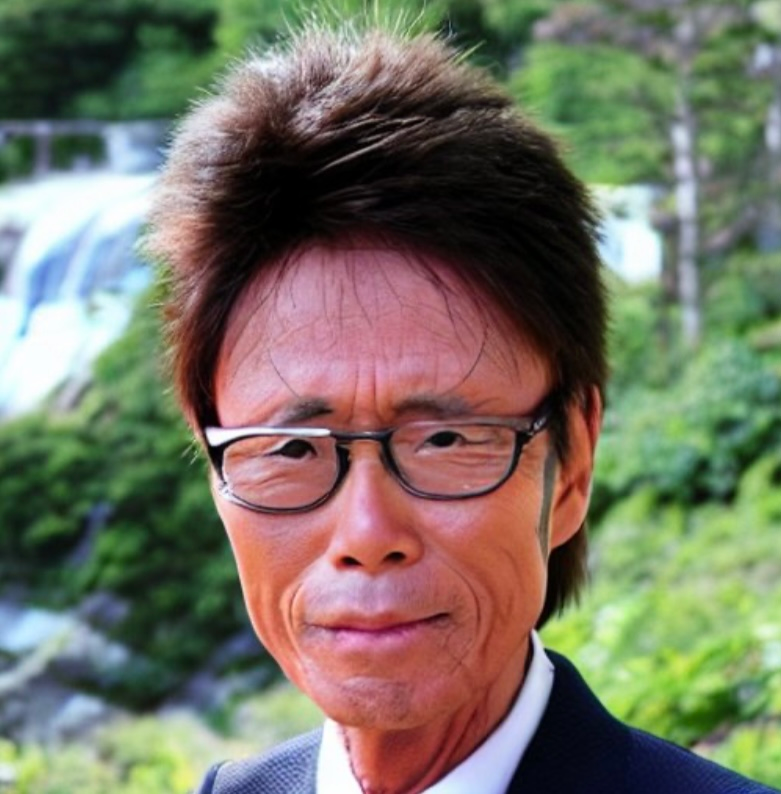
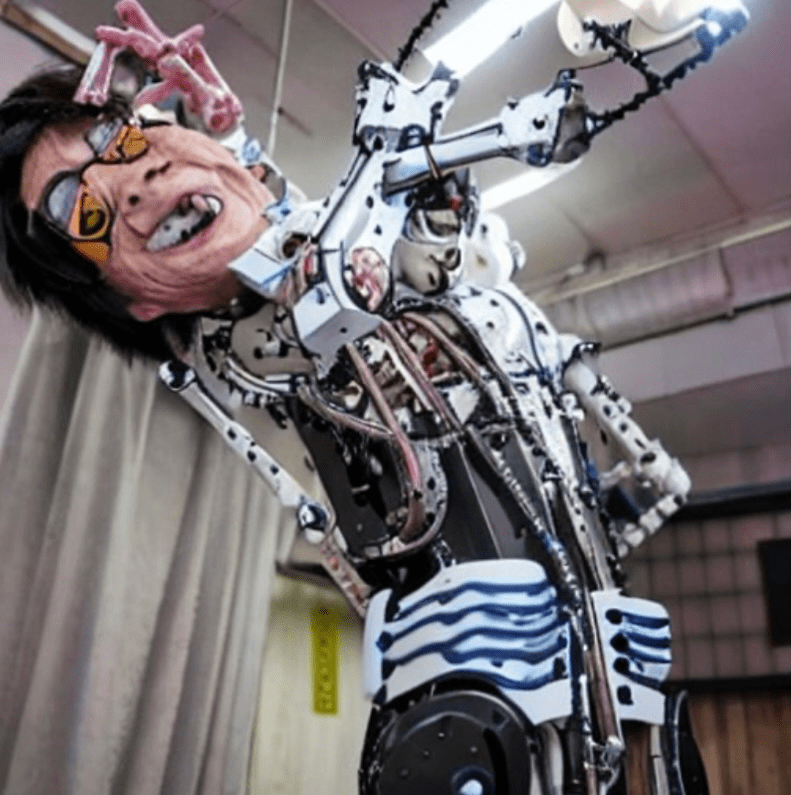
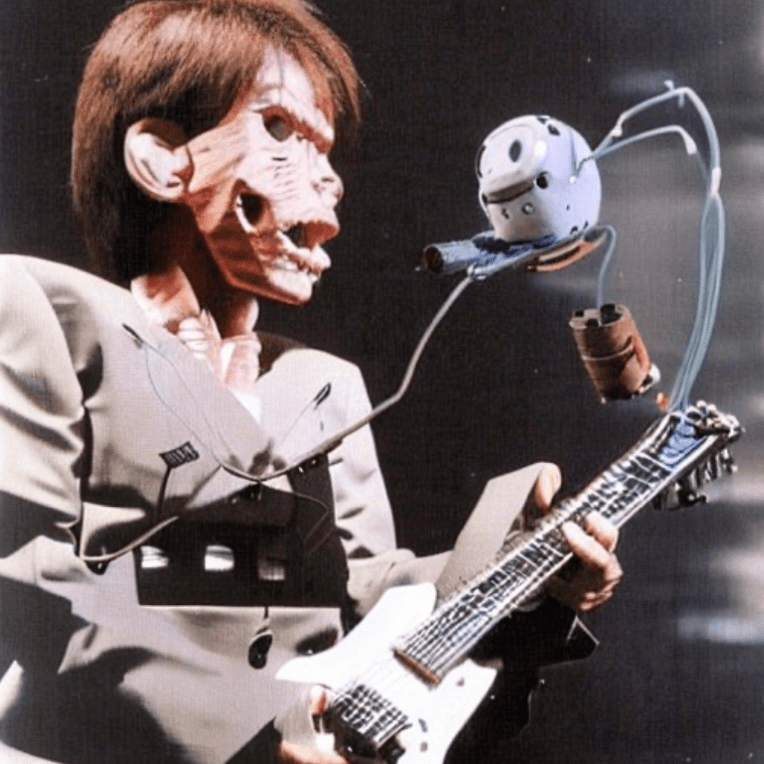
12. This part-human, part-machine hybrid monster now lives in seclusion in the foothills of the Hida Mountains, located in the central part of the largest Island of Honshu. Deemed far too dangerous by the Japanese Government to exist in near proximity to civilians, Cryph is kept under continuous surveillance by a dedicated team of scientists and engineers in a fortified, heavily-guarded ranch where his titanium bodywork and quantum software are updated and maintained on a weekly basis.
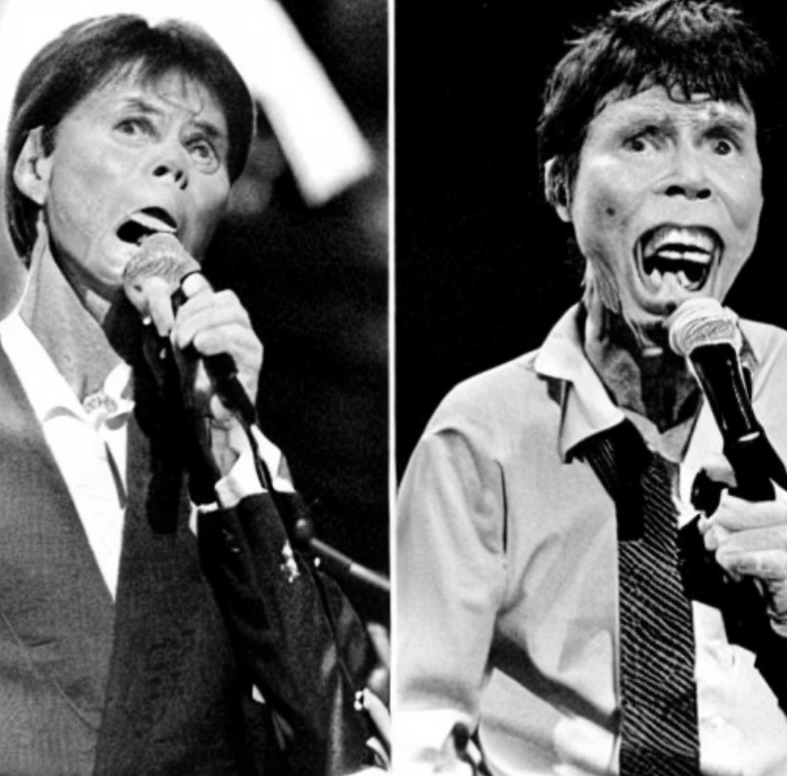
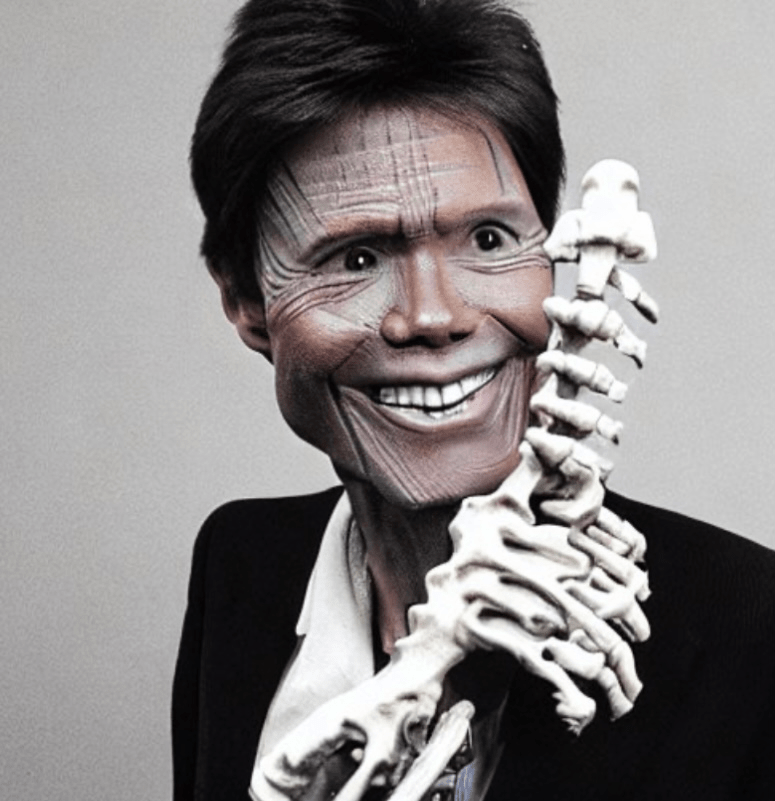
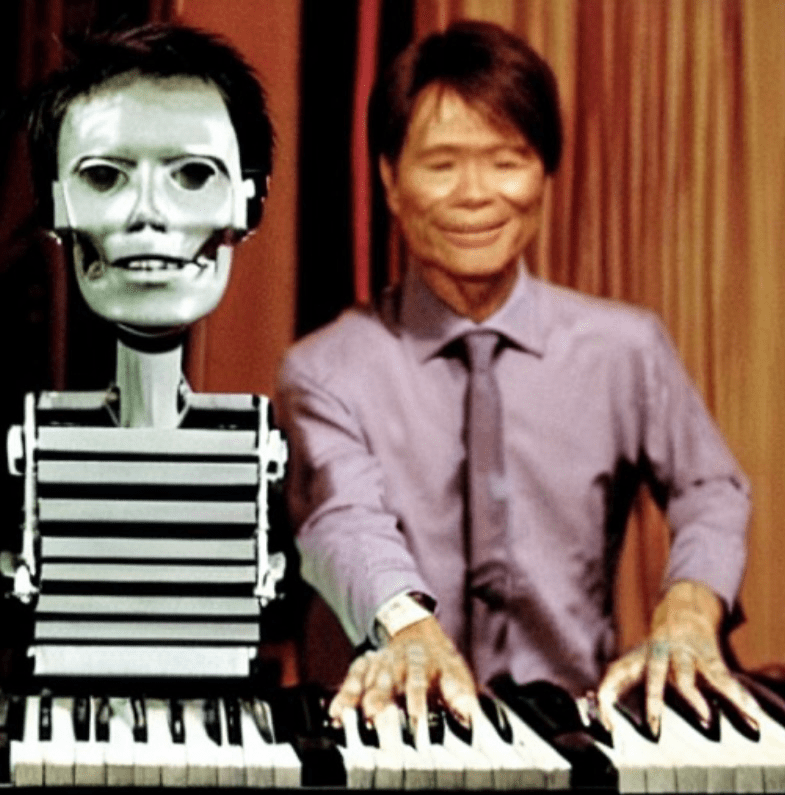
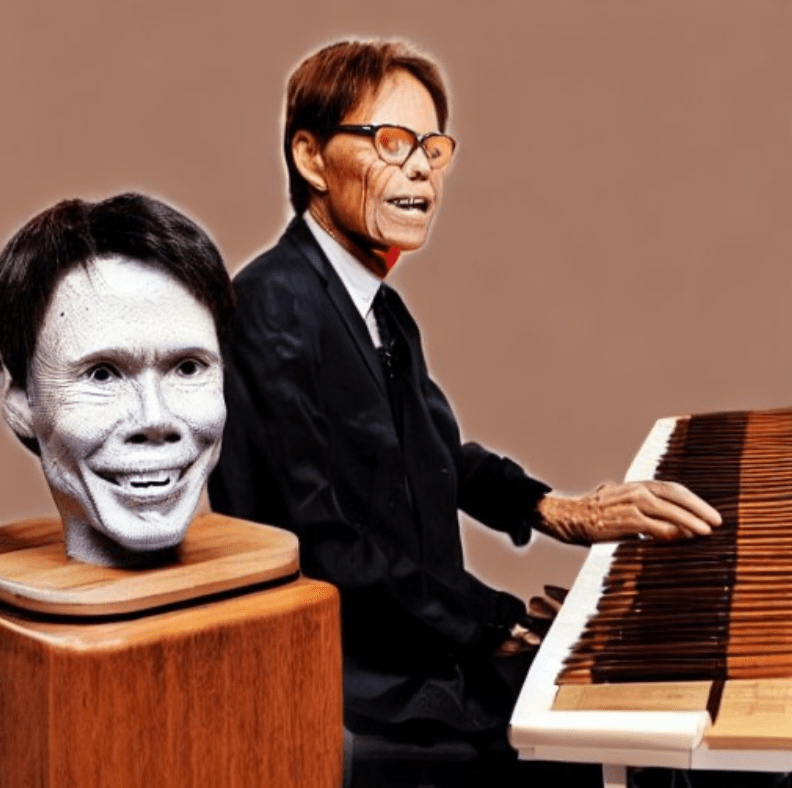
13. Cryph makes yearly appearances at robotics and music festivals around Japan. He is temporarily shut down and safely transported in a heavily armored lorry, guarded by military personnel. From behind a six-inch thick wall of polycarbonate bullet-resistant glass and accompanied by hard, Dark Psytrance backing tracks, he performs a vocoder-style repertoire of old and new songs in Japanese.
















































 antmilk.com